

This post is also available in:
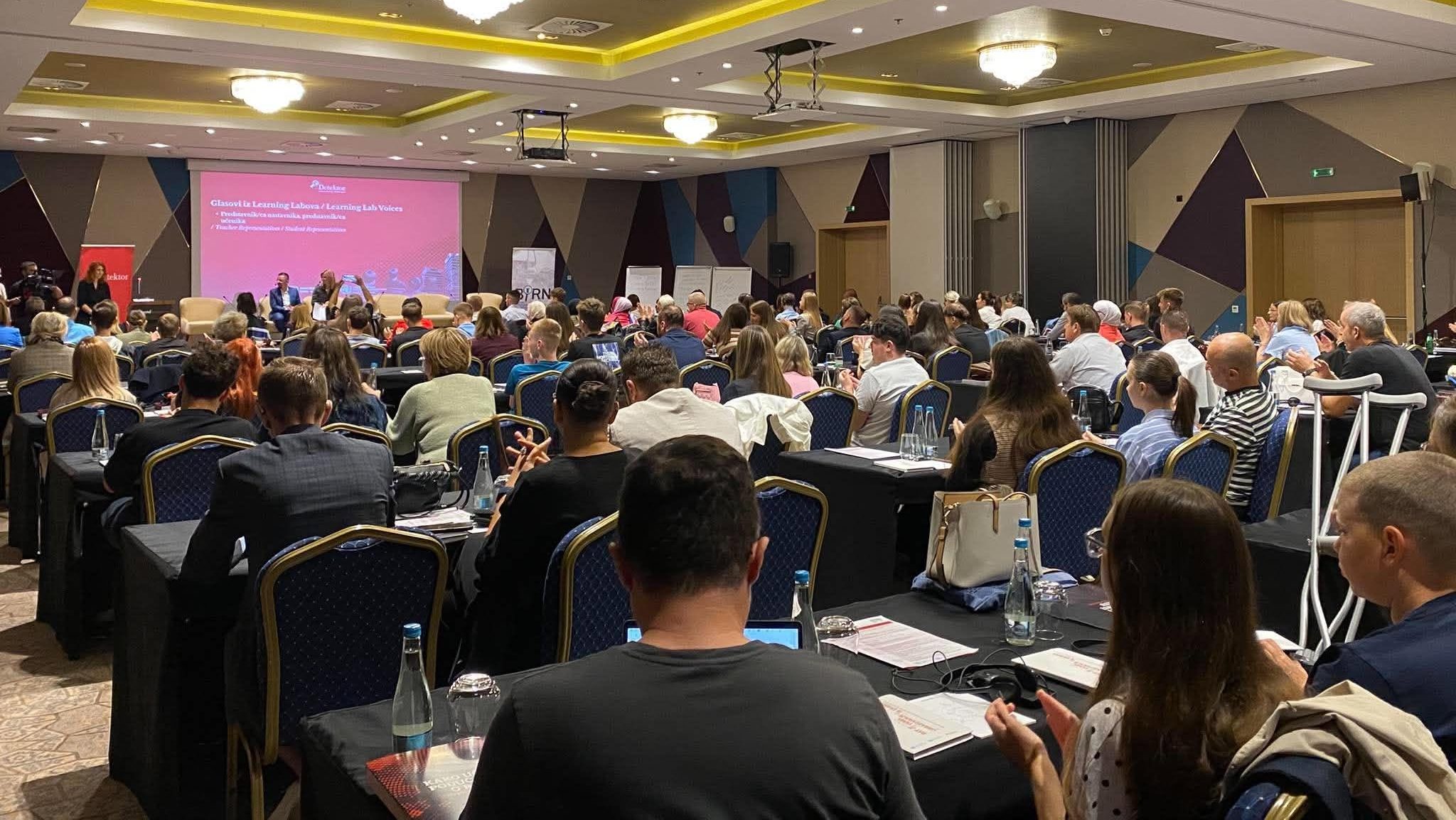
The meeting on Monday in Sarajevo was the first trilateral get-together since the three former Yugoslav countries signed protocols to cooperate in prosecutions of people suspected of war crimes, crimes against humanity and genocide.
Bosnia and Herzegovina signed the protocol on cooperation with Serbia in early 2013, and with the Croatian state prosecution in June.
“I can say that the meeting was exceptionally successful, we demonstrated cooperation in the exchange of evidence in certain cases, we had concrete cases discussed. We can be satisfied with what has been achieved so far,” said Bosnian chief prosecutor Goran Salihovic.
Salihovic and his counterparts from Croatia and Serbia, Mladen Bajic and Vladimir Vukcevic, emphasised they would continue working together to prevent hiding of war crimes suspects and indictees evading prosecution by hiding behind the citizenship of another country.
“We also agreed to appoint liaison officers, who will be in constant contact with these three prosecutor’s offices, in order to enable successful work on a technical level,” said Salihovic, adding that a friendly relationship had been established between the three prosecutor’s offices.
As a result of the protocol, the Bosnian and Serbian prosecutions have said that they have exchanged information about 70 potential suspects. The Serbian prosecutor’s office has also received evidence from Bosnia connected to crimes committed in Srebrenica in July 1995, and in Visegrad.
Meanwhile, as a result of the Bosnia-Croatia agreement, a Bosnian Croat, Ivan Hrkac, was arrested in Croatia last week on suspicion he committed war crimes in Siroki Brijeg in 1993.