




This post is also available in:
Former soldiers Ilija Zoric and Ljubisa Cetic received financial assistance from the City of Prijedor’s budget even though they were both convicted under final verdicts of committing war crimes in the local area, where victims’ relatives still live, BIRN has learned.
Zoric was sentenced to 20 years in prison for participating in the killings of at least 150 Bosniak civilians in the village of Zecovi near Prijedor in 1992, while Cetic was sentenced to five years in prison for the inhumane treatment of one person during the Zecovi massacre.
The two wartime Bosnian Serb Army soldiers were given the money by the Prijedor administration for housing support and medical treatment for relatives.
The assistance was granted under a scheme instituted by the Serb-led City of Prijedor, which provides financial assistance to war veterans and relative of deceased soldiers. However, allegations have been made that the grants contravene Bosnian state legislation about providing privileges to war criminals.
Zoric has been on the run since January 2024, and assistance in his name from the Prijedor city budget was paid out 11 months after he absconded. Cetic began serving a sentence in March last year, and in the same month he also received financial assistance from the Prijedor budget.
Documents obtained by BIRN show that the Prijedor City Administration approved the payment of financial aid to Cetic on three occasions over the past two years, totalling just over 1,000 Bosnian marks (about 500 euros).
Financial assistance in the amount of 2,000 Bosnian marks (about 1,000 euros) was paid to Zoric in December 2024, five months after he was convicted of a war crime in a final verdict.
Slobodan Javor, the mayor of Prijedor, acknowledged the payments in a written response to BIRN, but did not respond to phone calls or other inquiries.
Fikret Bacic, who is still searching for the remains of his wife and children as well as more than 20 other family members who were killed in Zecovi on the day that the crimes were committed by Zoric and Cetic, said he was outraged by the decision of the city where he lives to help war criminals, especially one who is on the run.
“They are not criminals to [the Prijedor authorities], but heroes, a protected category,” said Bacic.
Prijedor was the scene of some of the worst war crimes committed by Bosnian Serb fighters and police in the first year of the 1992-95 war. It is part of the Serb-dominated Republika Srpska entity, where officials have been repeatedly accused of denying the atrocities committed – despite state-level legislation prohibiting this.
Against state law?
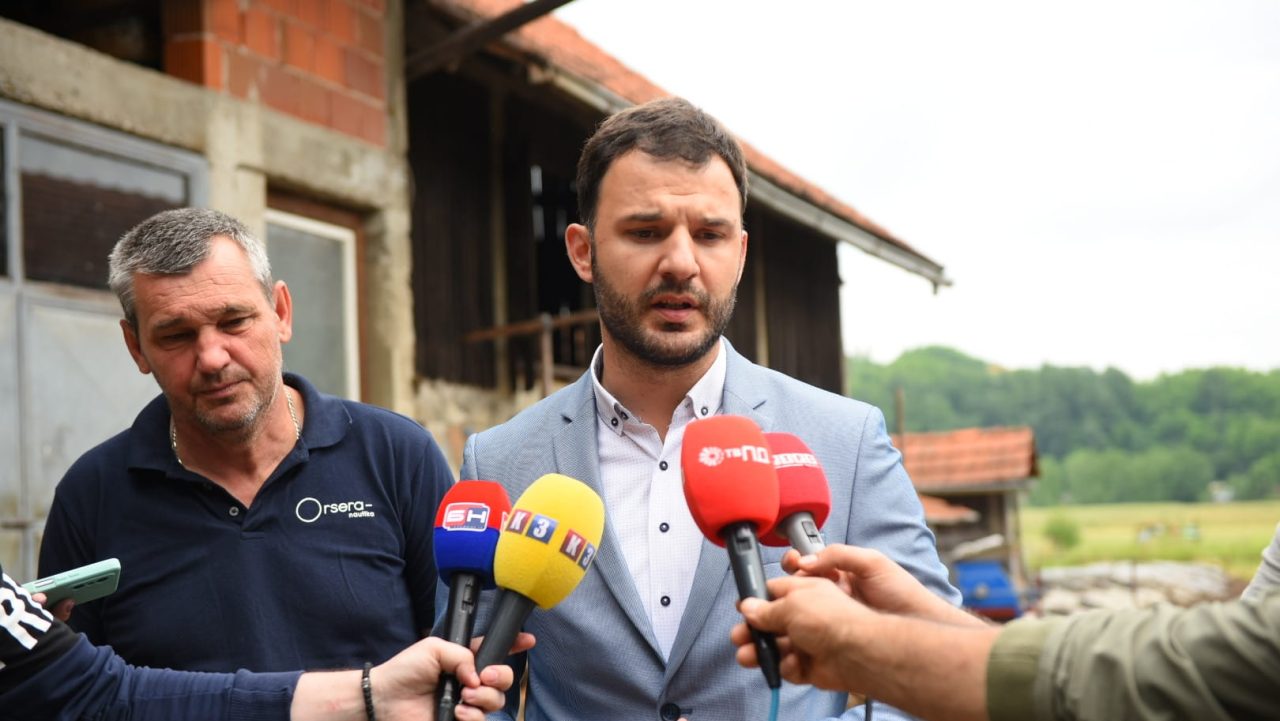
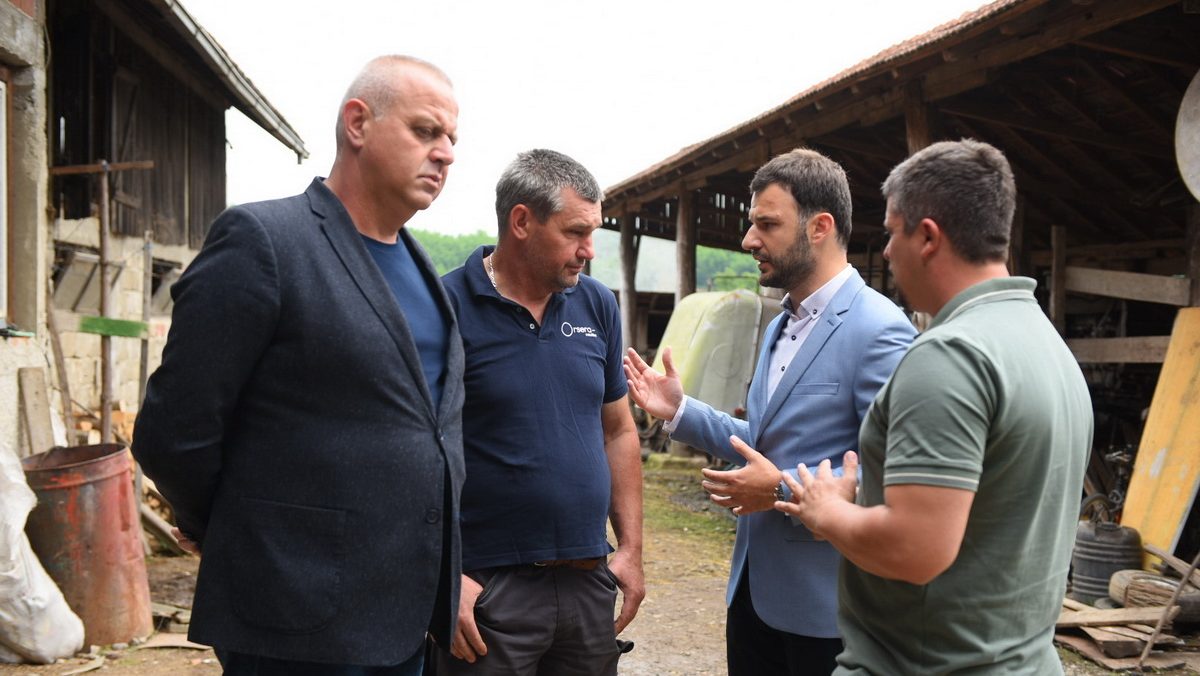
Slobodan Javor, mayor of Prijedor (right) visiting Ilija Zorić (left) during his trial for war crimes. Photo: Facebook/Slobodan Javor
After a freedom of information request, the Prijedor city administration provided BIRN with documents confirming payments from the budget for Zoric, including a preliminary estimate for building a roof.
Speaking to BIRN, lawyer Sabina Mehic noted that the criminal code of Bosnia and Herzegovina says that if someone awards an honour, award, medal or any privilege to a person convicted of a war crime under a final verdict, they may be punished with a prison sentence of at least three years.
“According to my interpretation of the provisions, the mayor can be held accountable for financial assistance to convicted war criminals,” said Mehic, adding that she believes the person who signed the funding decision can also be held responsible.
Opinions differ about whether the granting of such financial assistance constitutes a crime, however.
Adrijana Hanusic Becirovic, a transitional justice expert, told BIRN that there is no explicit regulation prohibiting the granting of financial assistance to people convicted of war crimes, but this does not justify such conduct.
“After the court issued a final verdict with the aim of fulfilling the purpose of punishment, financial support from the local community to that same individual undermines all the objectives that are sought to be achieved by an adequate punishment,” Hanusic Becirovic said.
She also noted that financial assistance to a person on the run can, under certain circumstances, represent indirect assistance to avoiding the execution of the sentence.
“With such action, social condemnation is replaced by social support, while the preventive effect of punishment is replaced by a message to others that even people who killed innocent civilians, women and children, during the war can expect support from public authorities at a certain point,” she added.
New pain for victims’ families
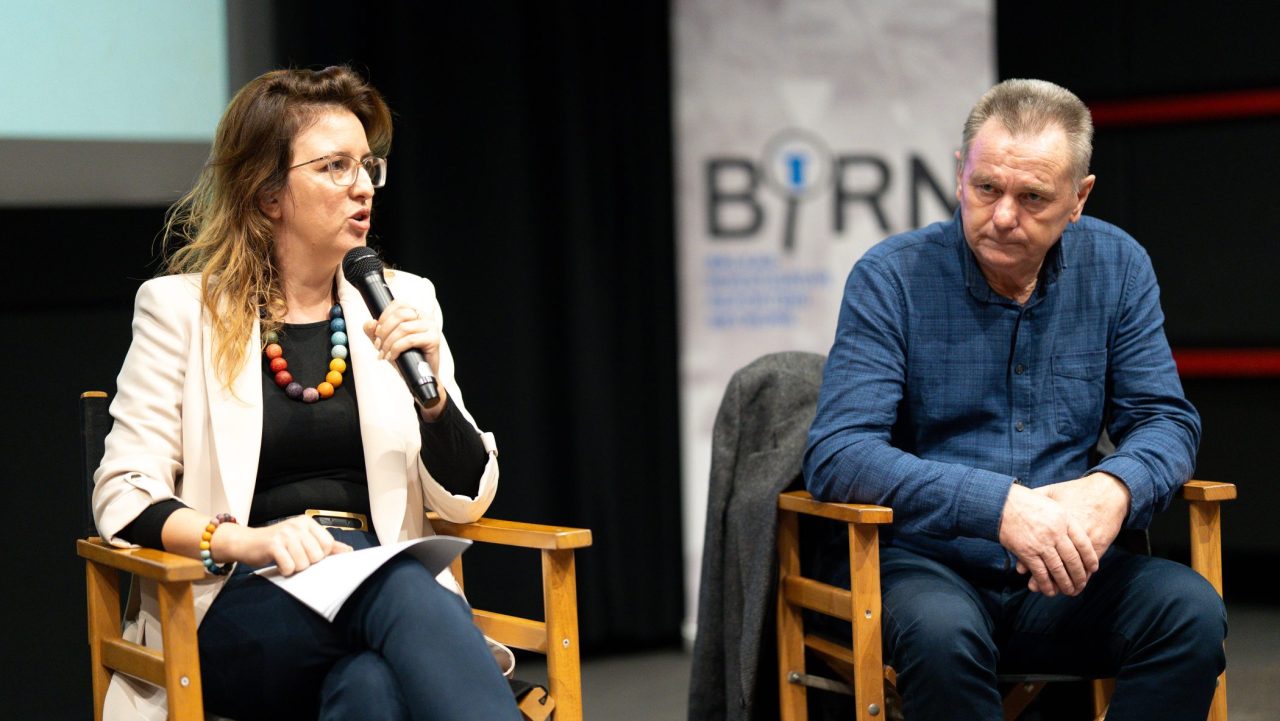
Adrijana Hanušić Bećirović and Fikret Bačić on the panel. Photo: Detektor
The Zecovi case was not the only trial in which Ljubisa Cetic was convicted. He was also found guilty and sentenced to 15-and-a-half years in prison in 2010 for participating in the murders of around 200 men at the Koricani Cliffs on Mount Vlasic. In 2024, he was then sentenced to five years in prison for the crime in Zecovi, after which his total sentence was set at 20 years.
Zoric’s verdict in the Zecovi laid out how he and other troops from the Bosnian Serb Army’s 43rd Prijedor Brigade and various policemen went on July 25, 1992 to the house of a man called Hasan Bacic, knowing that only Bosniak women and children were inside – with the intention of killing them.
According to the verdict, one of the troops shouted: “Is there anyone in the house?”, to which a woman called Sehrija Bacic loudly replied from inside: “There are only women and children here.” The soldier shouted: “Everyone get out!”
When all the children and women were gathered in a group outside, Zoric and the person who ordered them to come out opened fire on them, the verdict said. Those who were not immediately killed by the gunshots were finished off with a pistol. All the children and women were killed, apart from one 15-year-old who, amid the chaos, managed to hide near the house and survived.
In December 2025, journalists visited Rasavci and spoke with Zorić’s neighbors, who claimed that they did not know where he was.
Among the civilians who were killed were Minka Bacic and her two children – Nermin and Nermina, aged 13 and six – the wife children of Fikret Bacic, who witnessed the massacre from nearby.
Bacic said that fact that Republika Srpska institutions financially support people convicted of war crimes does not surprise him.
“It is not news, it is an open secret, a ‘normal thing’ that the City Administration finances them,” he said.
Hanusic Becirovic said that councils granting money to war criminals makes any prospect of post-conflict reconciliation more difficult.
“A particularly problematic consequence of providing support to war criminals is how it inflicts pain on the families of innocently killed persons,” she added.
She noted that in the Zecovi case, surviving family members have returned to their former homes and are still searching for the remains of the women and children who were killed.
“The reason they cannot be found and buried with dignity in accordance with religious customs is, amongst other things, the unwillingness of those who were convicted, like Zoric, to share information about where they hid their bodies after they killed them,” she said.
Zoric was still on the run at the time of publication of this article. The Court of Bosnia and Herzegovina told BIRN in a written response that since requesting an Interpol ‘red notice’ for his arrest in January 2024, it has not received any new information about his whereabouts.