


This post is also available in:
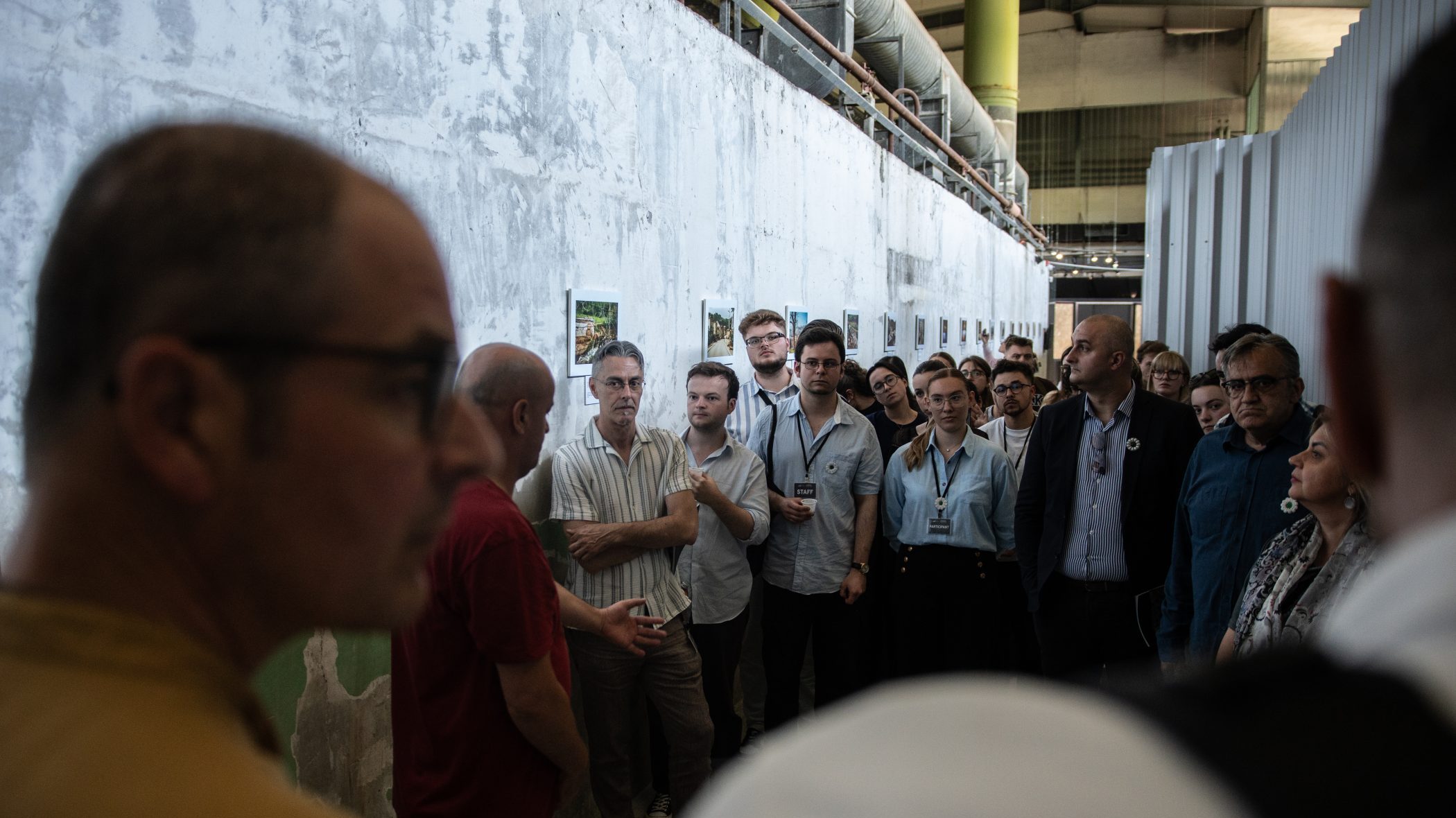
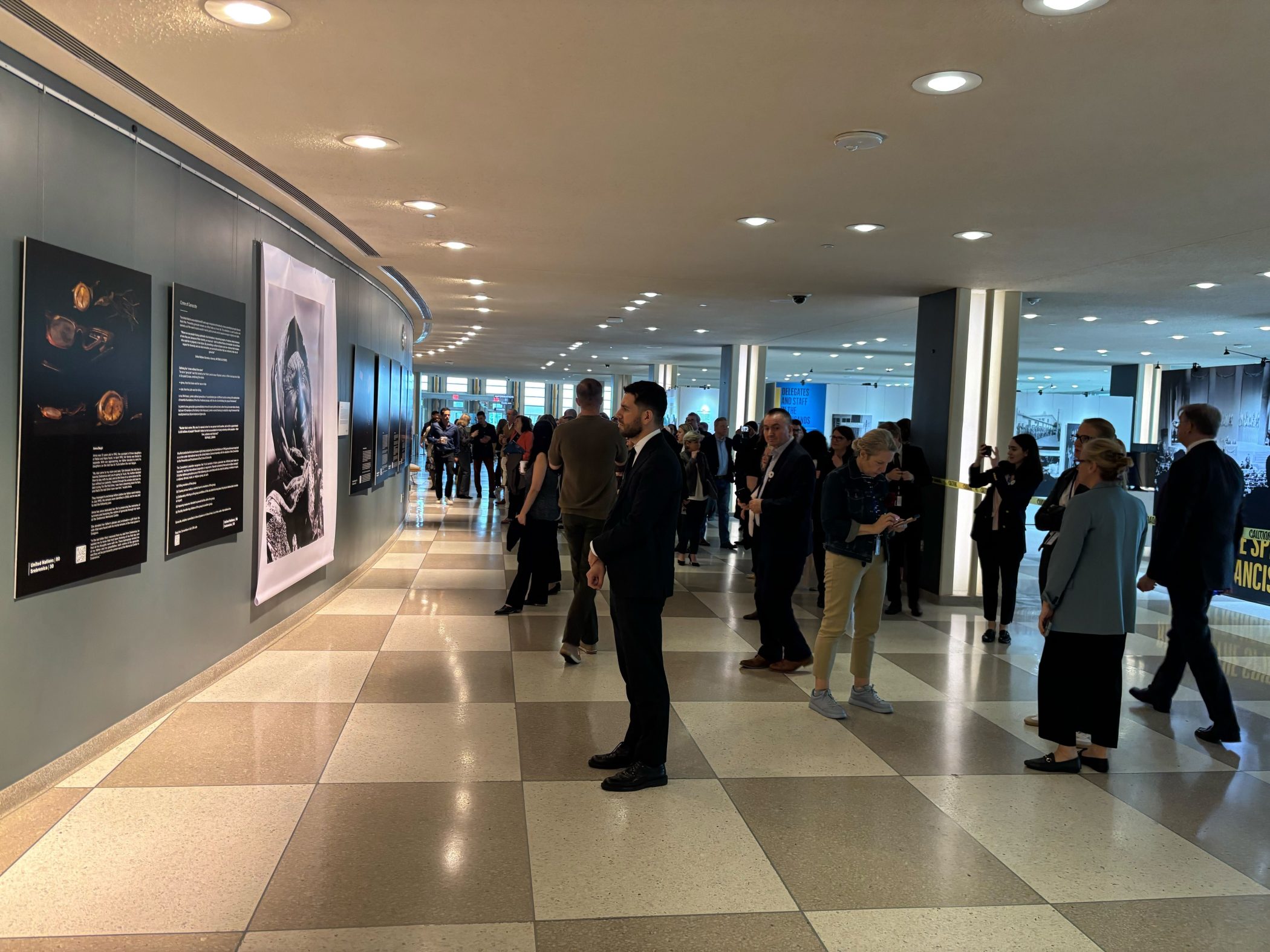
The exhibitions of the Srebrenica Memorial Center and the Balkan Investigative Reporting Network of Bosnia and Herzegovina (BIRN BiH) – “From Words to Violence: Lives Behind the Fields of Death” and “Legacy of Hope After the Srebrenica Genocide 1995: The Journey of a New Generation,” originally presented in 2025 to mark the 30th anniversary of the genocide, will reopen at the United Nations’ headquarters in New York.
Prepared last year for the 30th anniversary commemorations, these exhibitions will for the first time be presented together this July in the exhibition space at UN headquarters.
The first part of the exhibition offers insight into the genocide against Bosniaks committed in Srebrenica in July 1995 through photographs of everyday objects that testify to lives violently interrupted, families permanently separated, and the consequences of hate speech and indifference in the face of hatred.
The second part presents the stories of eight young people who were children in 1995 or who were born after the genocide. Their stories and photographs bear witness to human resilience and the transformative power of love despite unimaginable loss. They highlight a new generation that preserves memory and fosters a culture of empathy and peace.
Chaloka Beyani, UN Assistant Secretary-General and Special Adviser on the Prevention of Genocide, told Detektor that it is crucial to continue telling the story of Srebrenica to preserve the memory of the victims, support survivors’ testimonies, and contribute through storytelling to the prevention of future crimes.
“That is precisely why it is important for these two deeply moving and personal exhibitions to be presented again, this time together, at the United Nations’ headquarters, offering visitors and delegations a comprehensive account of the 1995 Srebrenica genocide – so that they may know, learn, and remember,” he said.
In his view, artistic reflection “provides us with space to confront painful memories, transform them into something that connects us as human beings, and use them for education and prevention.
“I am aware that these exhibitions touch on painful and traumatic experiences. However, they serve a higher purpose – to spare future generations from the same pain and trauma. We are united in achieving that goal,” Beyani added.
Hasan Hasanovic, head of the Oral History team at the Srebrenica Memorial Center, said it is extremely important that these exhibitions are presented again this year for the education of visitors interested in the Srebrenica genocide.
“The Memorial Center and its partners, including BIRN, demonstrate the capacity to produce such important content at a high level on the most significant platform in the world,” he said.
Denis Dzidic, Executive Director of BIRN BiH, noted that the fact these two exhibitions are being presented again at UN headquarters, this time as a unified whole, shows how important it is to continue conveying the story of Srebrenica through human experiences and testimonies.
“We owe the greatest gratitude to the survivors and the families of victims who entrusted us with their stories, personal belongings, and memories. Their willingness to speak has ensured that the lives of their loved ones are not reduced to mere numbers and statistics, but are remembered as the stories of real people—their families, dreams, and everyday lives,” Dzidic said.
The exhibitions, he added, remind us that prevention begins with understanding, listening and a willingness to confront the consequences of hatred and dehumanization.
“Our task is not only to preserve the memory of the past but to ensure that survivors’ experiences become part of the education of future generations. Only in this way can the testimonies we have collected continue to serve as both a warning and a call to responsibility,” he said.
Last year, the exhibitions were opened at UN headquarters, as previously reported by Detektor.
The project “Lives Behind the Fields of Death” began in October 2020, when 100 testimonies of genocide survivors were recorded. These are now part of the permanent exhibition, along with objects donated by survivors for permanent preservation in a memorial room opened at the Memorial Center in February 2022. Following positive reactions, the project continued with the recording of another 100 oral histories.
The combined exhibition will be open from July 17 to August 28 in the exhibition space at UN headquarters, which is free and open to the public.