

This post is also available in:
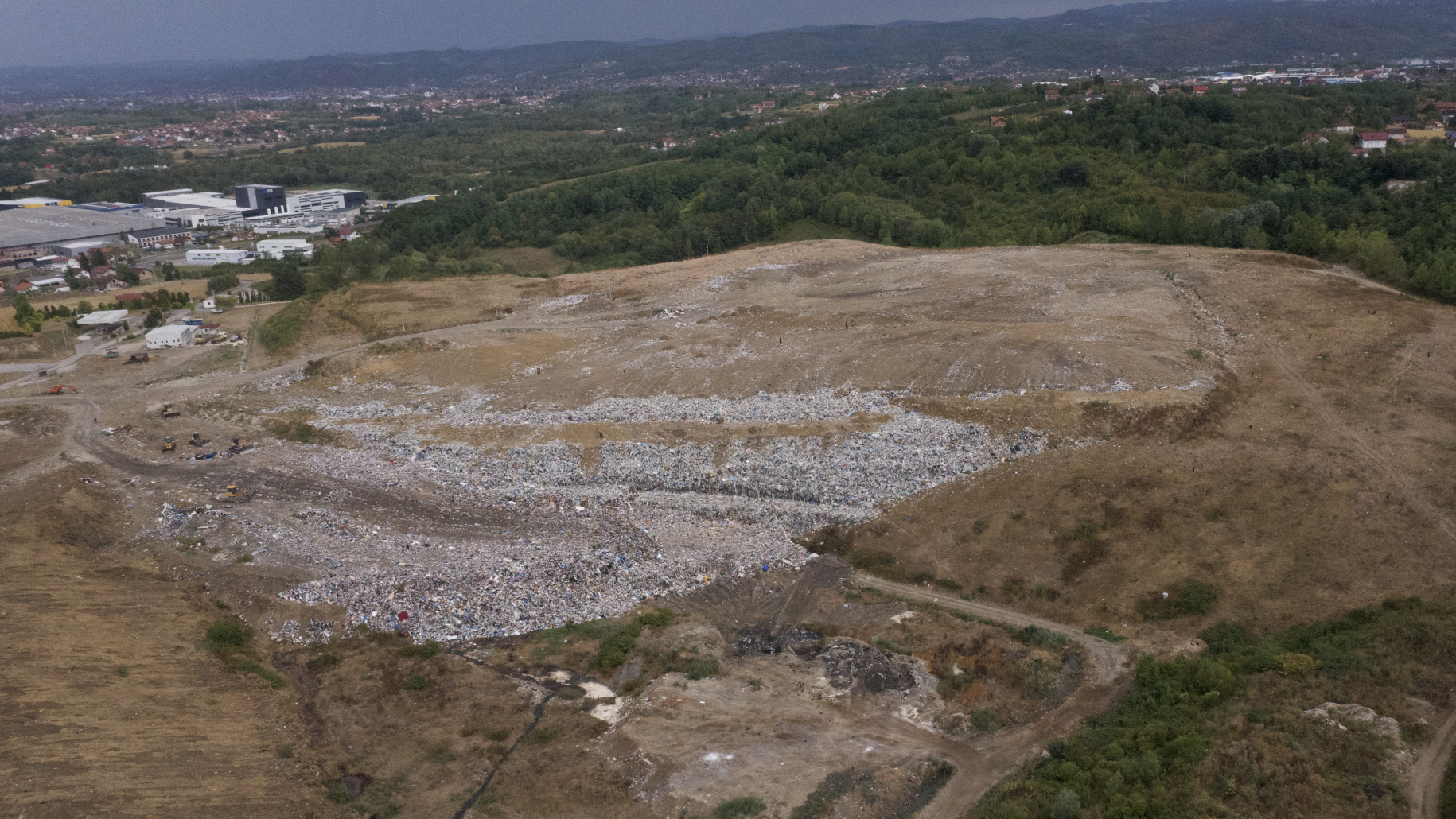
Mujo Begic, chief of the regional office of the Institute for the Missing Persons of BiH in northwest Bosnian town of Bihac, said a mass grave discovered on Wednesday containing a still unknown number of bodies may be linked to the 1992 killings in the area.
“We believe the mortal remains are associated with the persons who were shot at Koricanske Stijene in August 1992. We are waiting for the Court and Prosecution of Bosnia and Herzegovina to issue a decision after which we will go to the field and perform an exhumation,” Begic told BIRN.
The Bosnian state prosecution said they would issue the order once the conditions had been met, but did not specify when it might happen.
In August 1992, members of the Interventions Squad of the Prijedor police shot about 200 men at Koricanske Stijene.
They first ordered them to stand on the edge of the road and turn towards an abyss. After that, they shot them with automatic rifles. The killed persons had been taken out of a bus, which was a part of a convoy deporting Bosniaks and Croats from the territory of Prijedor, which was under the control of the Bosnian Serbs.
So far, 11 former policemen from Prijedor have been sentenced for the murders at Koricanske Stijene. One of them, namely Darko Mrdja, was sentenced by the UN court in the Hague, while the others were sentenced before the Court of Bosnia and Herzegovina.
Some 12,000 people are still listed as missing in the Western Balkans, most of them in Bosnia and Herzegovina.