

This post is also available in:
As we arranged the interview over the phone, her voice was heavy and she could barely speak. She ended the conversation in tears.
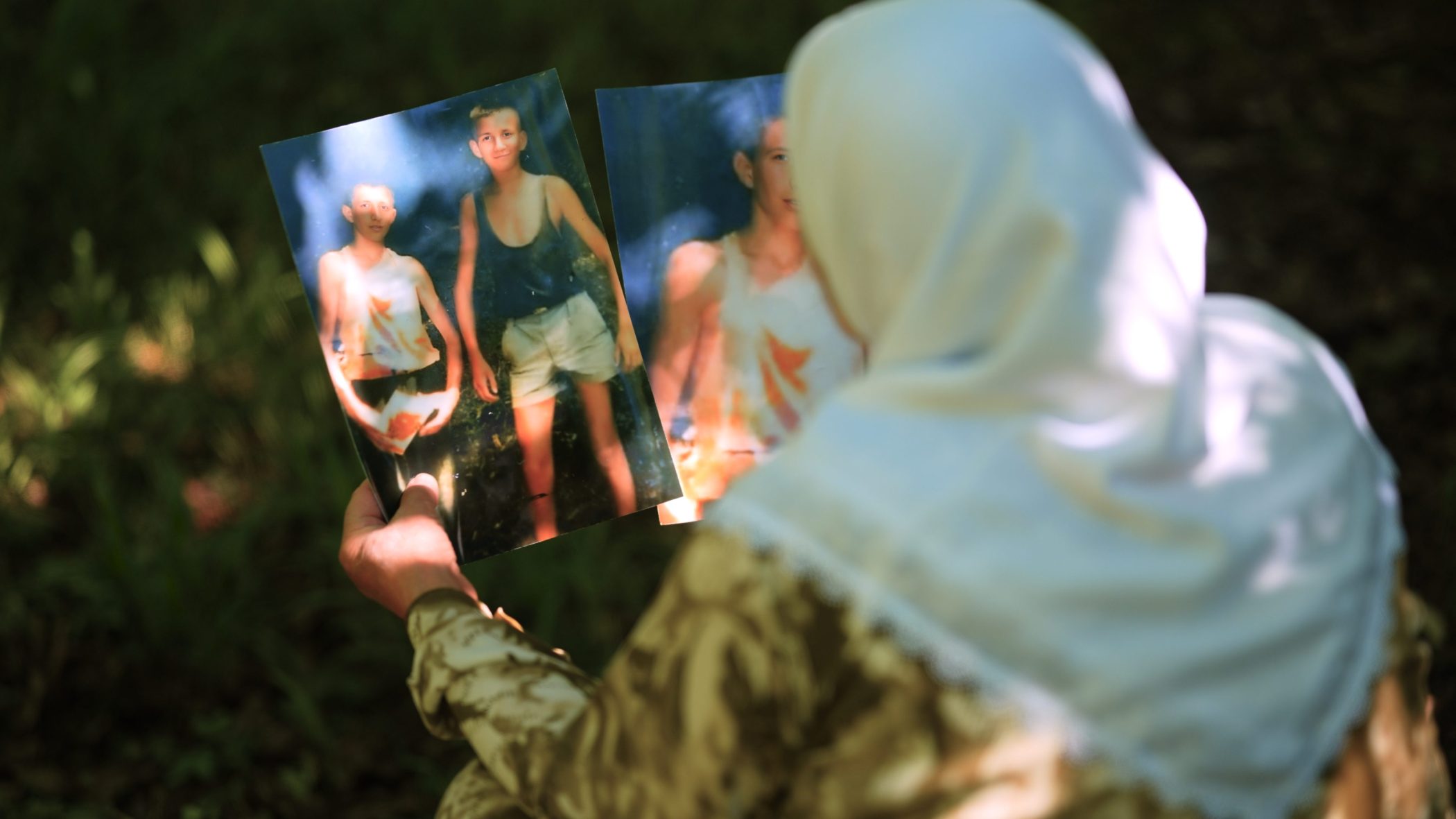
Dzemila Hodzic agreed to tell us how, for 29 years, she had been visiting her brother Dzemo’s grave. Now it lies empty after she heard the devastating news that the remains buried there were not his. She is still searching for her brother’s body.
A few days after the phone call, we arrived in Blagovac, a settlement near Vogosca, a suburb of the capital Sarajevo, where she now lives. At the start of the Bosnian war, Hodzic and her son fled from her home village of Tihovici in Vogosca municipality.
She takes us to a monument in Tihovici, built by local residents in memory of those who were killed, recites the Fatiha, a Muslim funeral prayer, and through tears repeats her greatest wish – that her brother’s grave will no longer lie empty.
Pointing to the white nishans, Muslim gravestones, she gently runs her hand over them.
“It is as if they took him after all these years – they took him from me again, stole him, carried him away. He is gone, vanished. Will they come back, will they bring his bones, I don’t know,” she says.
When the 1992-95 Bosnian war ended, the remains of murdered Bosniak villagers in Tihovici were found in a grave. Among them, Hodzic recognised her father, Kasim, and brother, Dzemo, who died aged 21.
She identified them from their clothing, without using DNA technology. Alongside her father’s work shirt, she recognised his electric shaver and a pack of Plava Morava cigarettes. In her brother’s case, she recognised his swimming trunks. Their funeral took place on July 4, 1996, the same day when they were killed four years earlier.
For years afterwards, she visited their graves in Tihovici. Until May 2025, when everything changed.
A few years ago, she and other locals were asked to exhume the graves to conduct DNA analysis.
“Then, in May 2025, they called us to identify all the bodies again. I went down there. When I entered, they said: ‘These are the bones of Kasim Hadzic.’ I said: ‘Are there any bones from my brother, Dzemo? I came for Dzemo, too.’ They said: ‘Your brother Dzemo is not here.’ And the remains were taken away. They’re gone,” she recounts.
For Hodzic, this discovery was more shocking than the exhumation immediately after the war. Now her brother’s grave is empty.
DNA analysis is vital
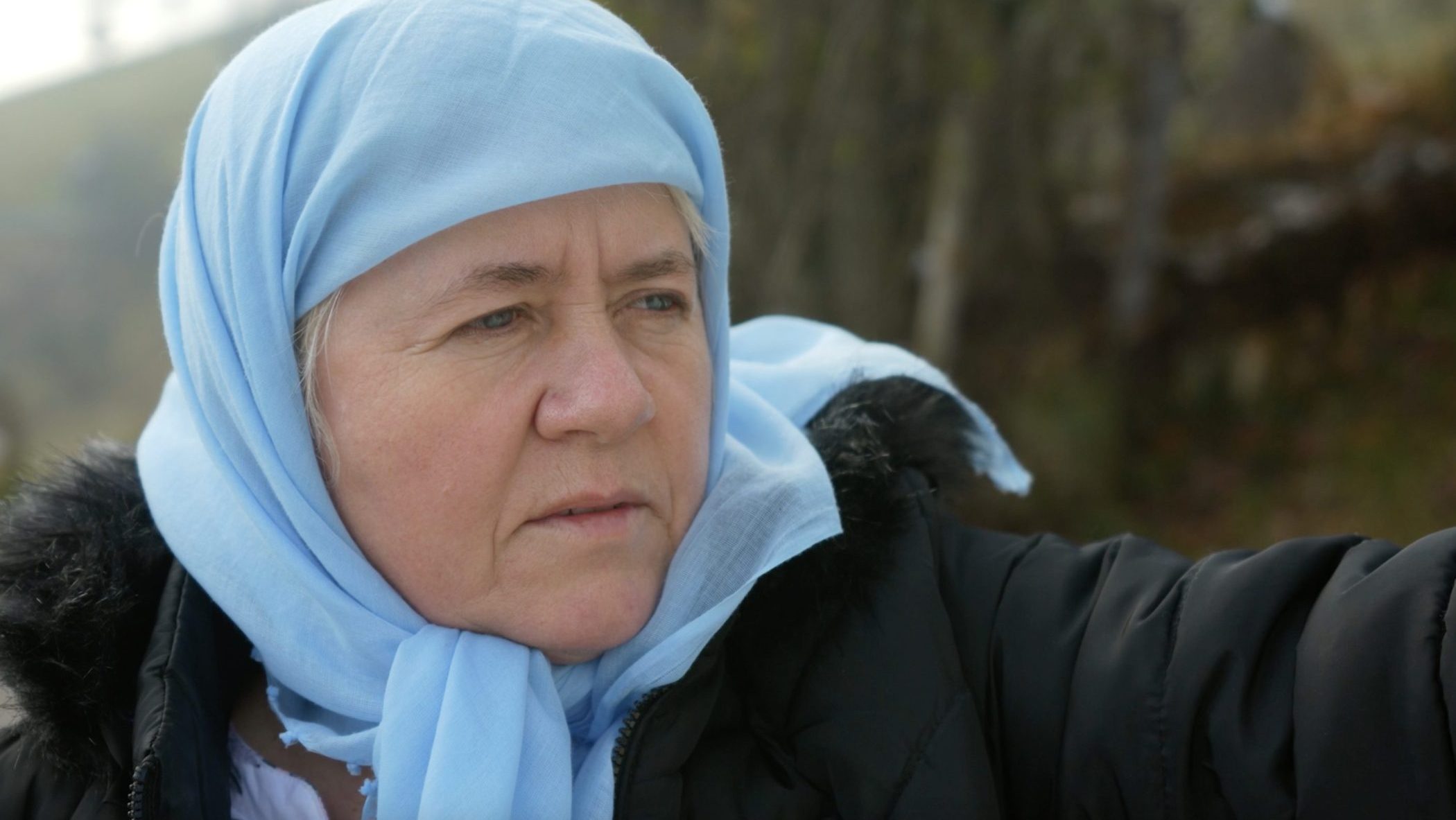
Dzemila Hodzic. Photo: Detektor
Hodzic is not the only one who misidentified family members after the war, before DNA analyses of the missing began,
Saliha Djuderija, from Bosnia’s Institute for Missing Persons, told BIRN that in Tihovici, after the examination of two unidentified bodies and a blood donation, they determined that each of those remains contained the remains of four to five individuals who had already been buried.
They had to obtain the consent of a total of 14 families for this. Of those, 12 allowed their relatives to be exhumed and DNA profiling to be done on the bones.
“When we dug up those 12 bodies, the remains, we found parts of [other] bones and bodies among them, so we had to re-associate and re-identify all of those people. Of the 12, we identified 11. One identity is still missing,” Djuderija said.
More than 23,000 remains of victims of the Bosnian war have been identified so far. But nearly one-third of those were identified using the so-called classical method, which is based on clothing and other items found in the grave. To solve problems of misidentifications, families who have established the identity of their late relatives using the classical method must provide blood samples for DNA analysis.
But some families, after three decades of pain, are not willing to go through the uncertainty of identification again.
‘Two families claimed the same body’
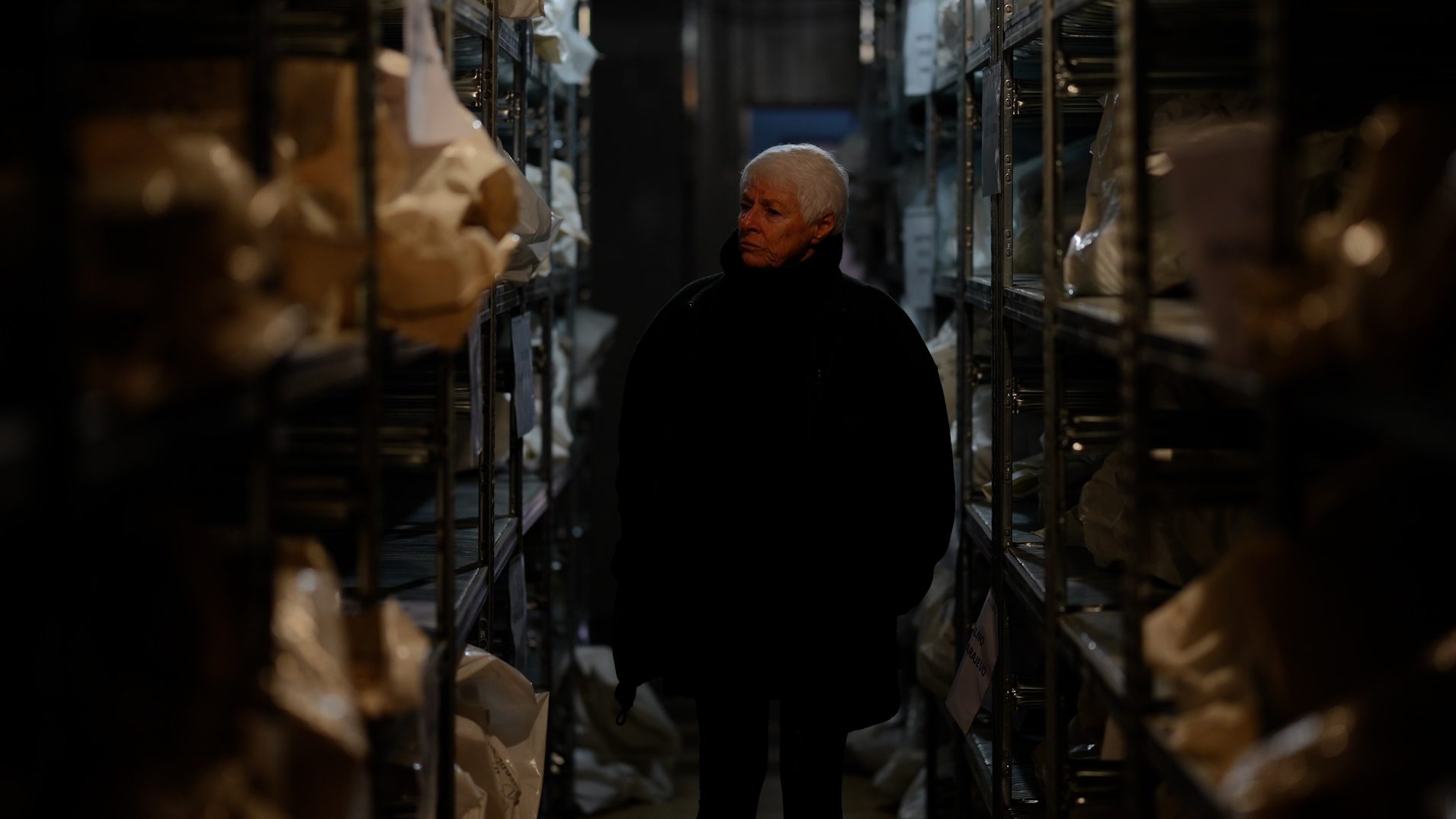
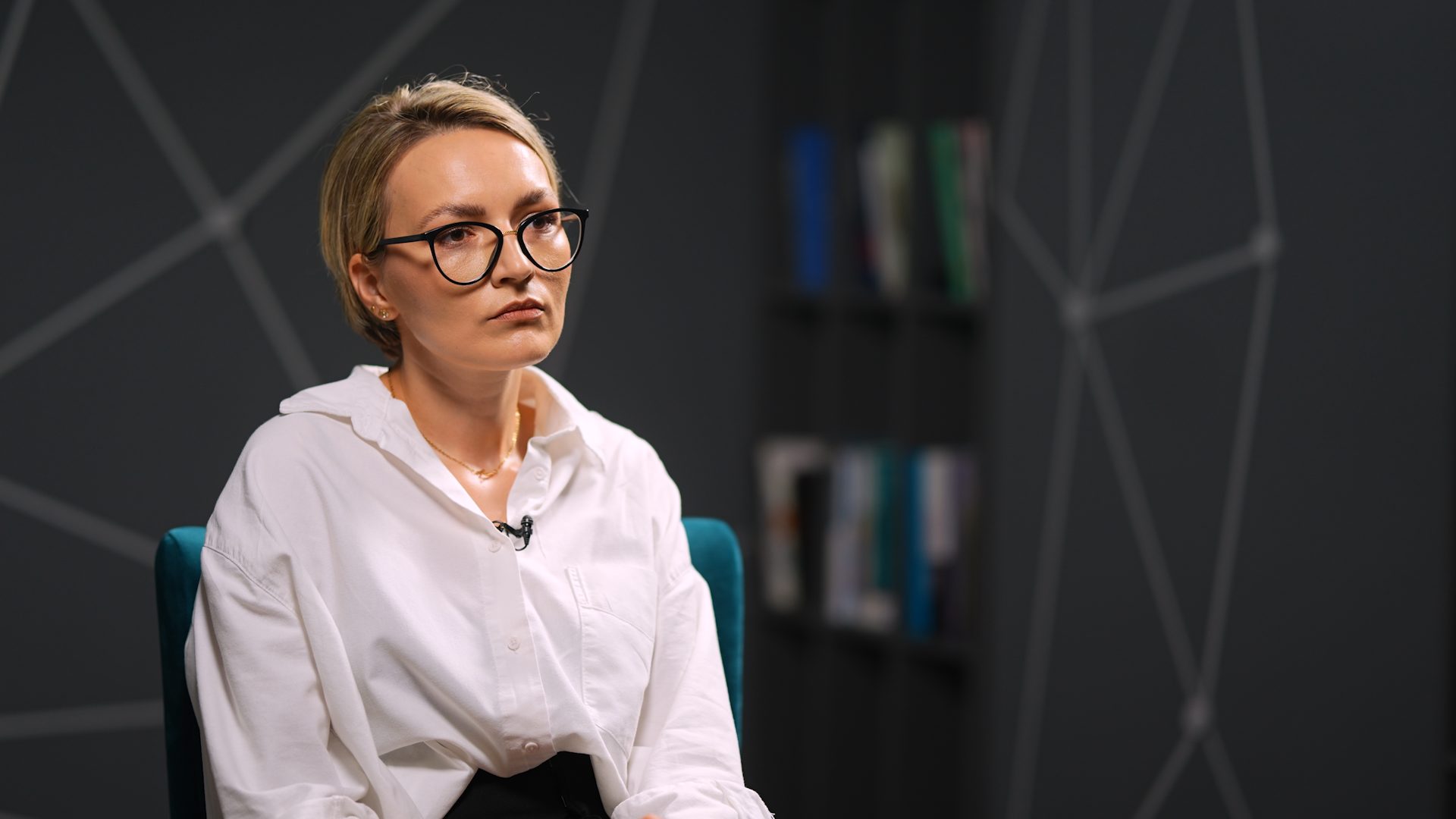
Ewa Klonowski, forensic anthropologist. Photo: Detektor.
As a forensic anthropologist, Ewa Klonowski has seen many families face the dilemma of whether to agree to another identification process. As we drive toward the ossuary at the cemetery in the town of Visoko, she recalls her work in other morgues and ossuaries, as well as at burial sites during exhumations.
The morgue in Visoko is a cold place, and, because of its purpose, seems even colder than it is, especially in winter. In the white-tiled morgue, the windows are slightly open. Bags of bones lie on metal grey tables. In the next room, entered through a heavy metal door, there are remains lying on shelves.
Klonowski is used to this environment. She says there are currently about 2,000 remains lying in morgues across Bosnia that have DNA profiles but no matches to families. From 1995 to 2003, about 8,000 remains were identified using the classical method, she adds.
She recalls the situation at Kurevo, near Prijedor, northwest Bosnia, where a young man was exhumed and his mother said she recognised him from his sweater. She was convinced it was a sweater she had knitted herself. But when the DNA results arrived several years later, it was determined that the remains were not in fact her son’s. When another family arrived, a second mother also claimed to recognise the same sweater.
“Both mothers said that they knitted this sweater,” Klonowski recalled.
“In Hrastova Glava, we had two families who wanted one body. But we can only give it to one family. And only DNA can tell us with 100 per cent certainty,” she added.
Gjuderija says there are around 6,000 classical identifications in which misidentification may have occurred. Some 50 to 100 cases are tested annually with the new method, to reliably determine their identity.
Classical identification was the usual method before the introduction of DNA analysis, explains Samira Krehic, head of the International Commission on Missing Persons programme for the Western Balkans, and it lasted until the early 2000s, when the ICMP opened its own DNA analysis laboratories.
Krehic emphasised that resolving issues of misidentification depends entirely on the goodwill and solidarity of the families who have identified their missing using the traditional method.
“It would happen that a body was exhumed and sampled, and the DNA matched a blood reference, but the family had misidentified someone else – so there were scenarios in which, by resolving one misidentification, three correct identities were obtained. It’s a domino system,” Krehic noted.
Klonowski explained that while it’s never too late, families can refuse to donate blood.
“A family can say: ‘I’ve been going to the cemetery, to the grave for years, for years, that’s my son. I feel that’s my son. I know in my heart that’s my son.’ So, what then? What can the person who wants to solve the problem do?” she said.
Lessons from Rwanda
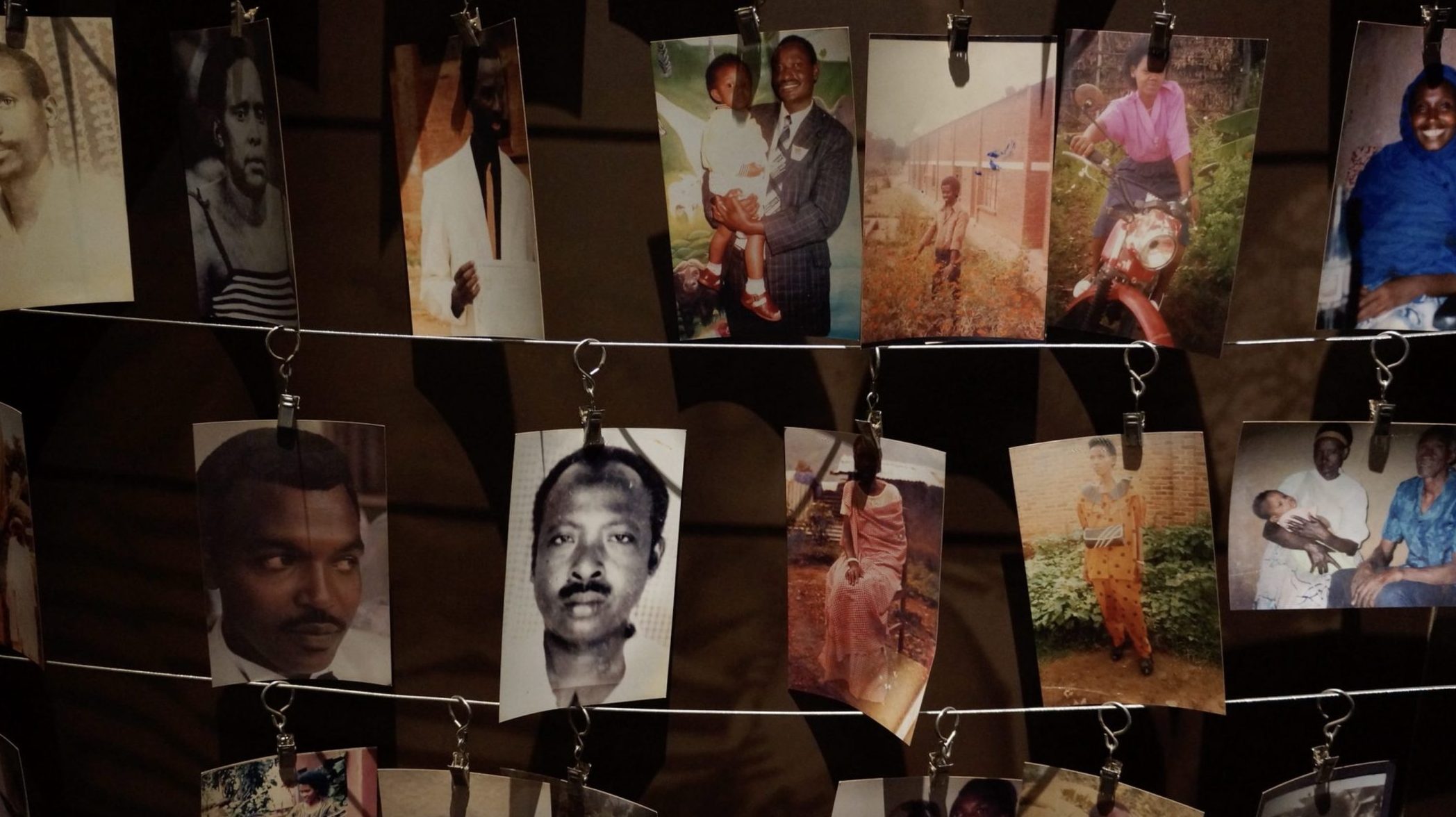
The Kigali Genocide Museum in Rwanda. Photo: Kigali Genocide Museum.