


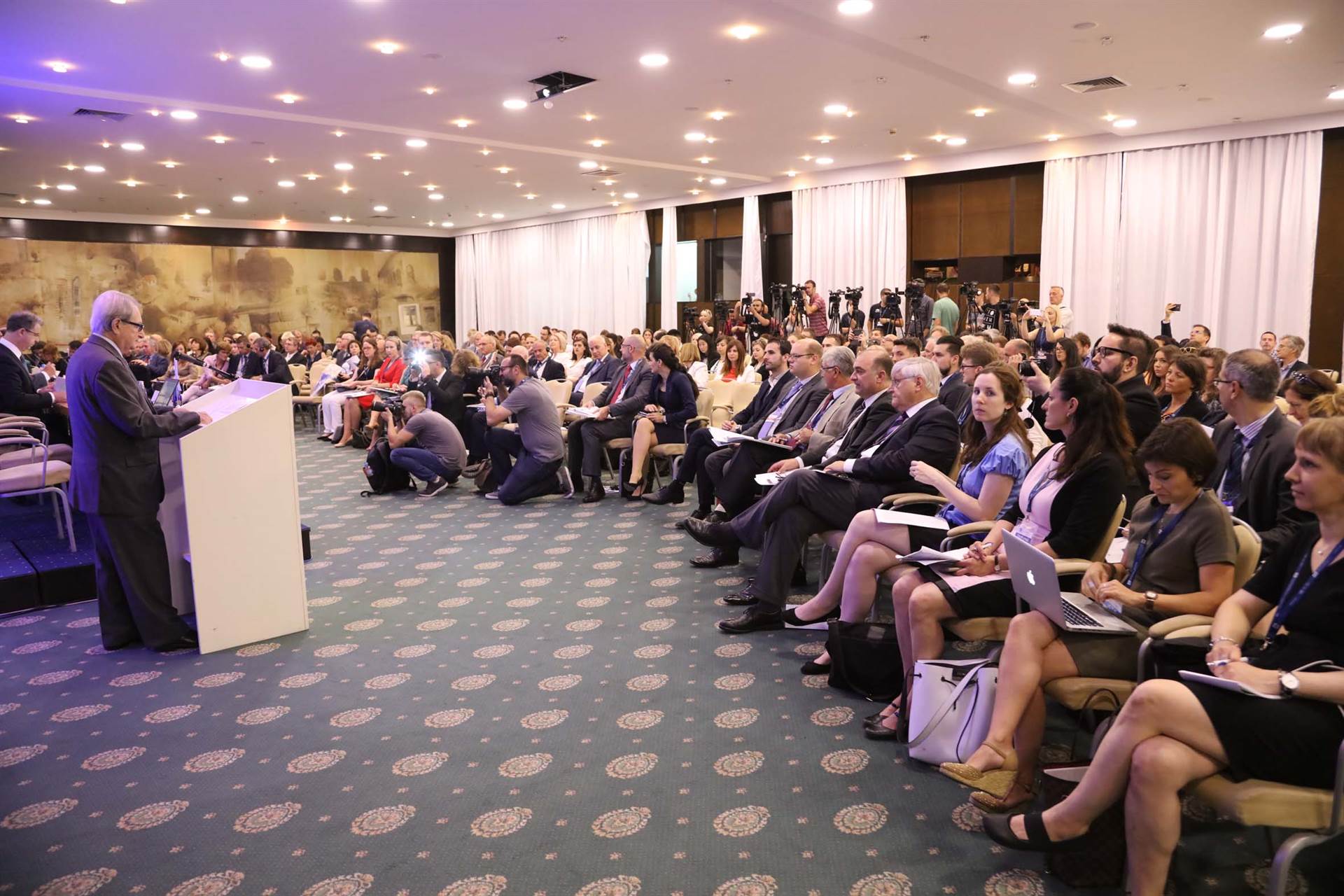
The politicisation of war crimes in Bosnia and Herzegovina has created obstacles to securing justice for victims, chief Hague Tribunal prosecutor Serge Brammertz said in Sarajevo.

Prosecutors in the former Yugoslavia must develop comprehensive policies for dealing with sexual and gender-based crimes to ensure justice for vicims, Hague Tribunal deputy prosecutor Michelle Jarvis told BIRN.
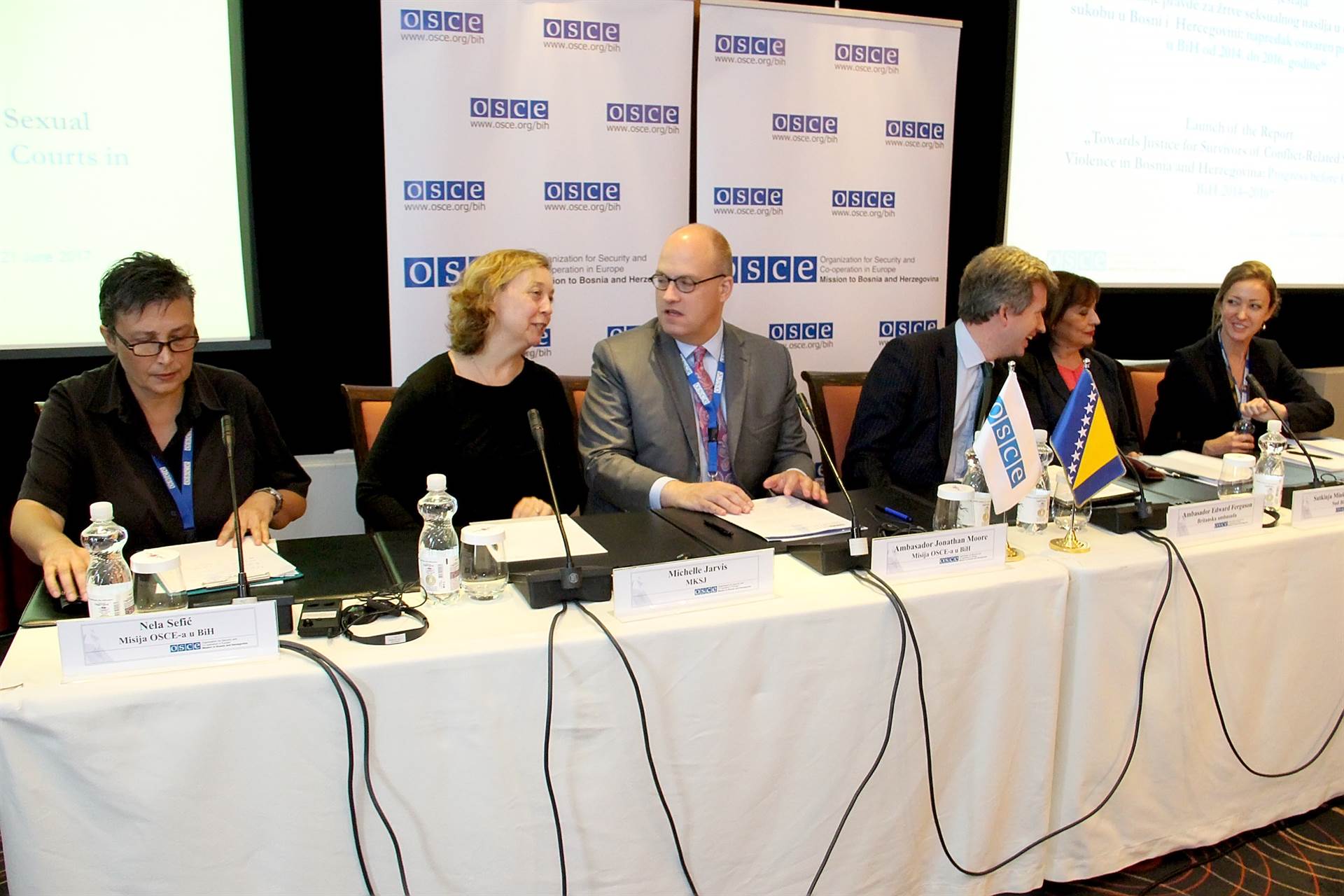
Over the past three years, courts and prosecutions in Bosnia and Herzegovina have processed more cases involving wartime sexual violence than before, but more needs to be done, a new...

MP Denis Becirovic said a proposed ban on the denial of genocide and war crimes was needed to show respect to victims and ensure a just society in the future...

At the retrial of former Serbian security chiefs Jovica Stanisic and Franko Simatovic in The Hague, prosecutors said they were superior officers to units that committed grave crimes in Bosnia...

Former Croatian Defence Council military policemen Muamir Jasarevic and Sead Velagic were jailed for a total of two and a half years for abusing civilian detainees in the Bosnian town...
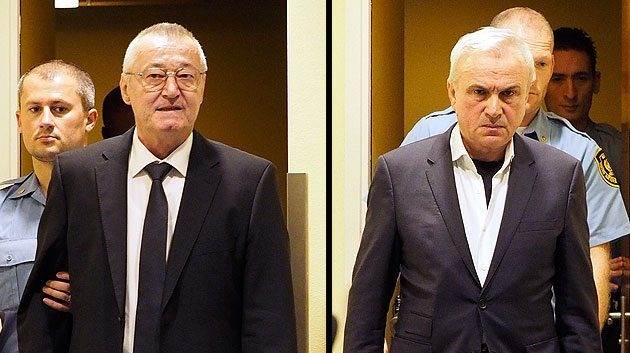
As the retrial of former security chiefs Jovica Stanisic and Franko Simatovic began in The Hague, prosecutors said they were “key participants” in a joint criminal enterprise to dominate parts...
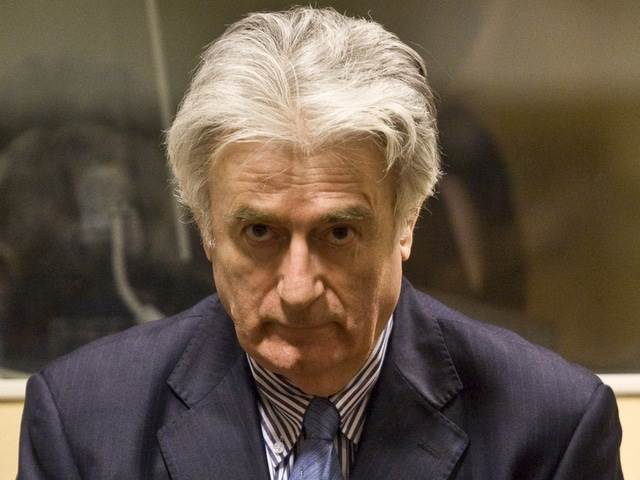
Former Bosnian Serb political leader Radovan Karadzic has asked the Hague Tribunal to install Skype so he can communicate with his family while he is in the UN court’s detention...

A judicial disciplinary committee began a case against a Serb state-level judge for publicly alleging that Sarajevo lacks the political will to prosecute Bosnian Army generals for war crimes.
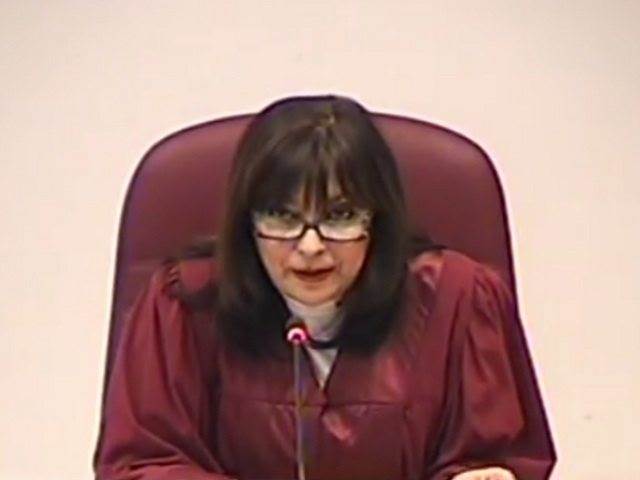
The prosecution’s failure to make complex war-crime cases a priority has wasted the resources of the Court of Bosnia and Herzegovina, the president of its criminal department, Minka Kreho, says.
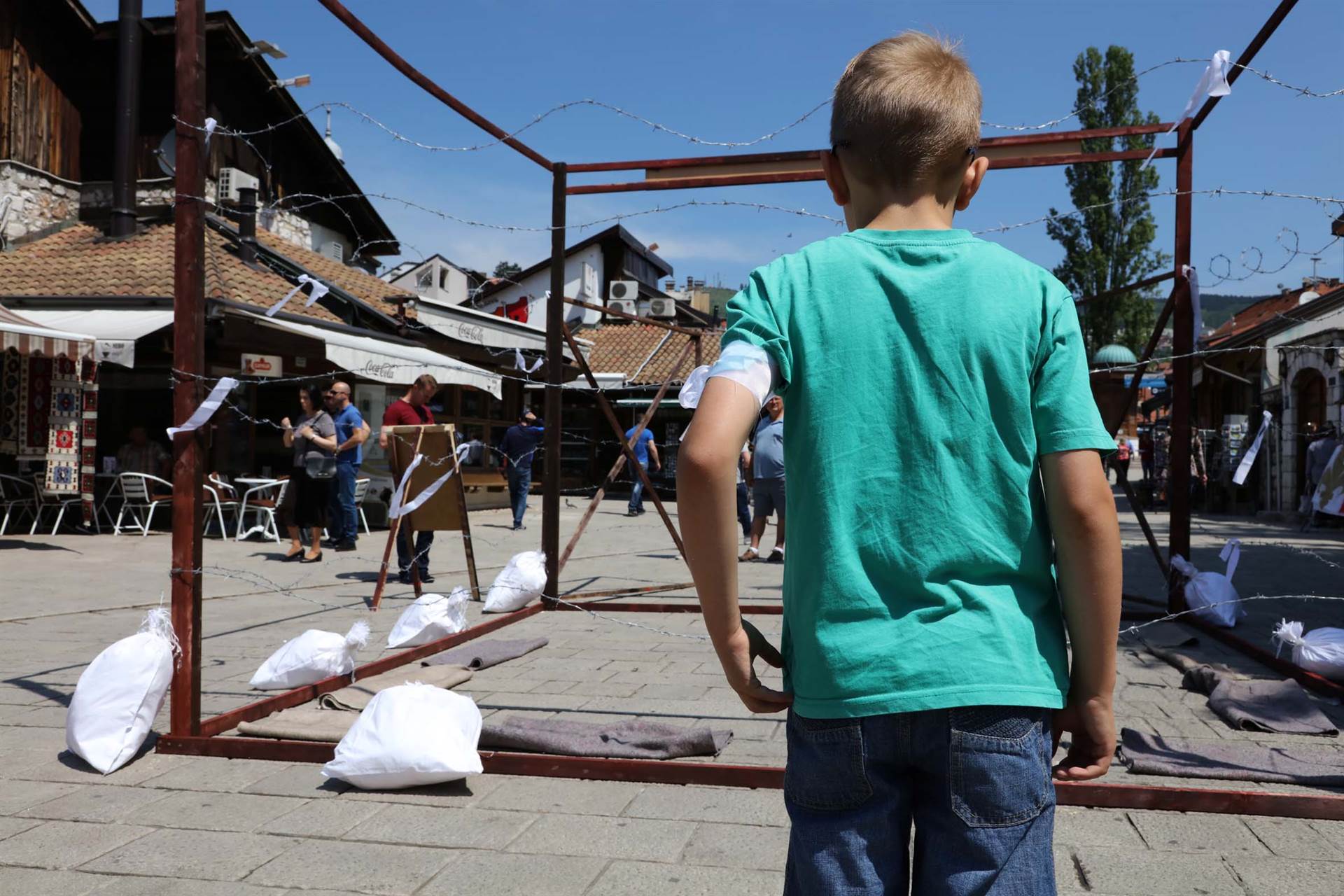
Cities around Bosnia are commemorating the horrendous crimes committed against the non-Serb population of the northeastern town of Prijedor 25 years ago by putting up white ribbons.
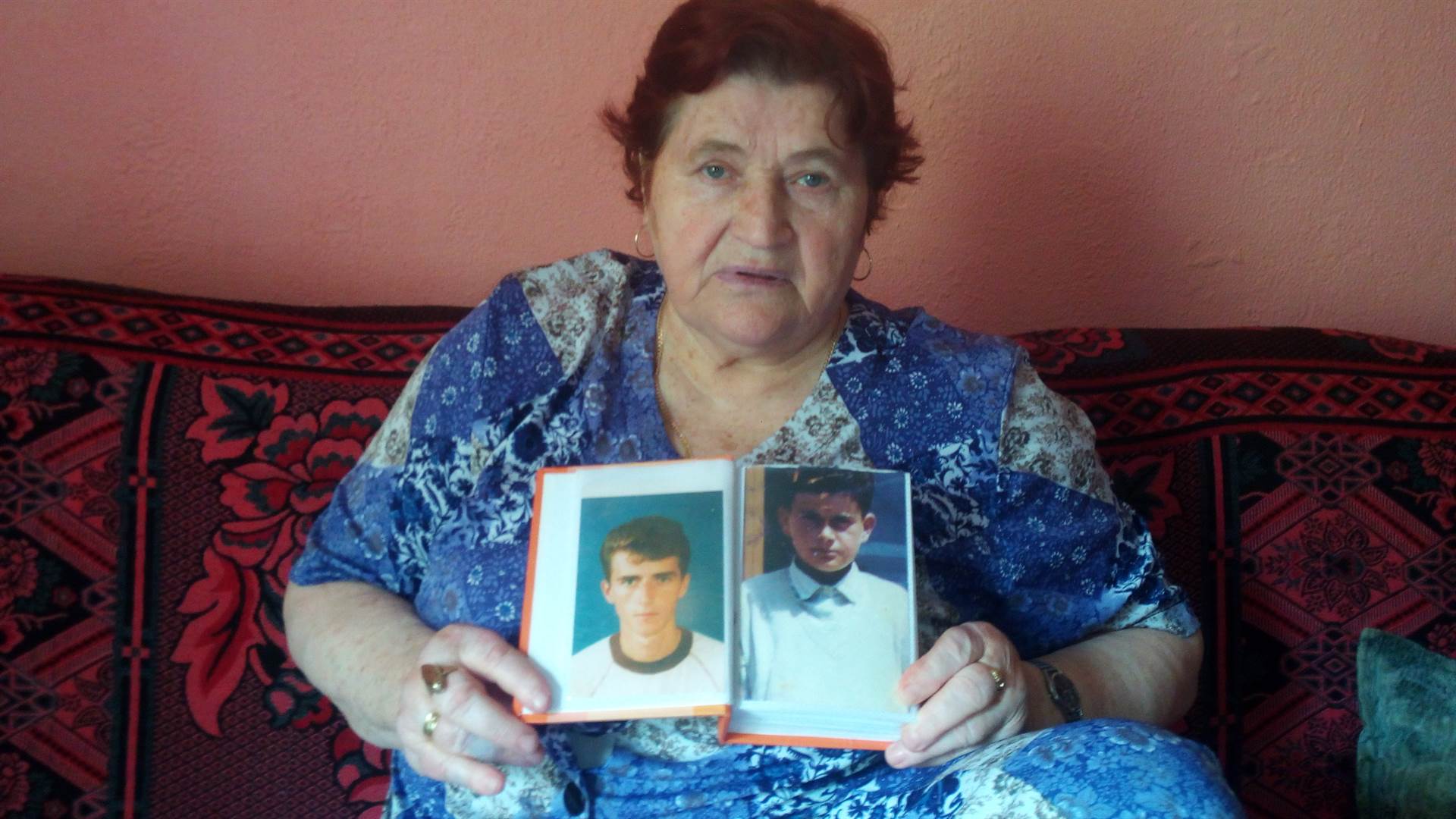
Nura Alispahic, now 73, lost her whole family in the Srebrenica genocide and the 1995 bombing of Tuzla – which was marked on Thursday.