

This post is also available in:
“Over the course of the past years, about 90 per cent of tourists have been interested in the city’s war past, although it does not have a prominent position in promotional brochures,” the Tourism Association of Sarajevo Canton told BIRN.
Asja Hadziefendic-Mesic, the spokesperson for the Tourism Association, said that tourists visiting the city are less interested in the sites of other landmark events such as the 1984 Winter Olympics, which was held in Sarajevo, or the shooting of Archduke Franz Ferdinand by Gavrilo Princip, which helped to spark World War I.
“They don’t remember the Olympics. Its glory is no longer visible in the city. They also see the First World War as something distant. They are interested in the siege of Sarajevo,” Hadziefendic-Mesic said.
Last year about 120,000 tourists visited the ‘tunnel of life’, the tunnel underneath Sarajevo airport which was the besieged city’s only relief route during wartime and a became symbol of its resistance.
Apart from Bascarsija, the historic bazaar quarter, the tunnel is the most visited destination in the city.
“We take about 30 tourists on war tours every day during the summer months. All of them want to see ‘the tunnel of life’ which we get to after walking through Sniper’s Alley,” said tour agent Emina Ligata.
“Besides that, we also take tourists to the Kosevo stadium, which they find interesting as an Olympic venue, but also scary because the auxiliary stadium was used as a cemetery during the war,” she added.
Tourist agencies also offer visits to the Markale open market, where 111 Sarajevo civilians were killed and more than 200 were wounded in two wartime massacres.
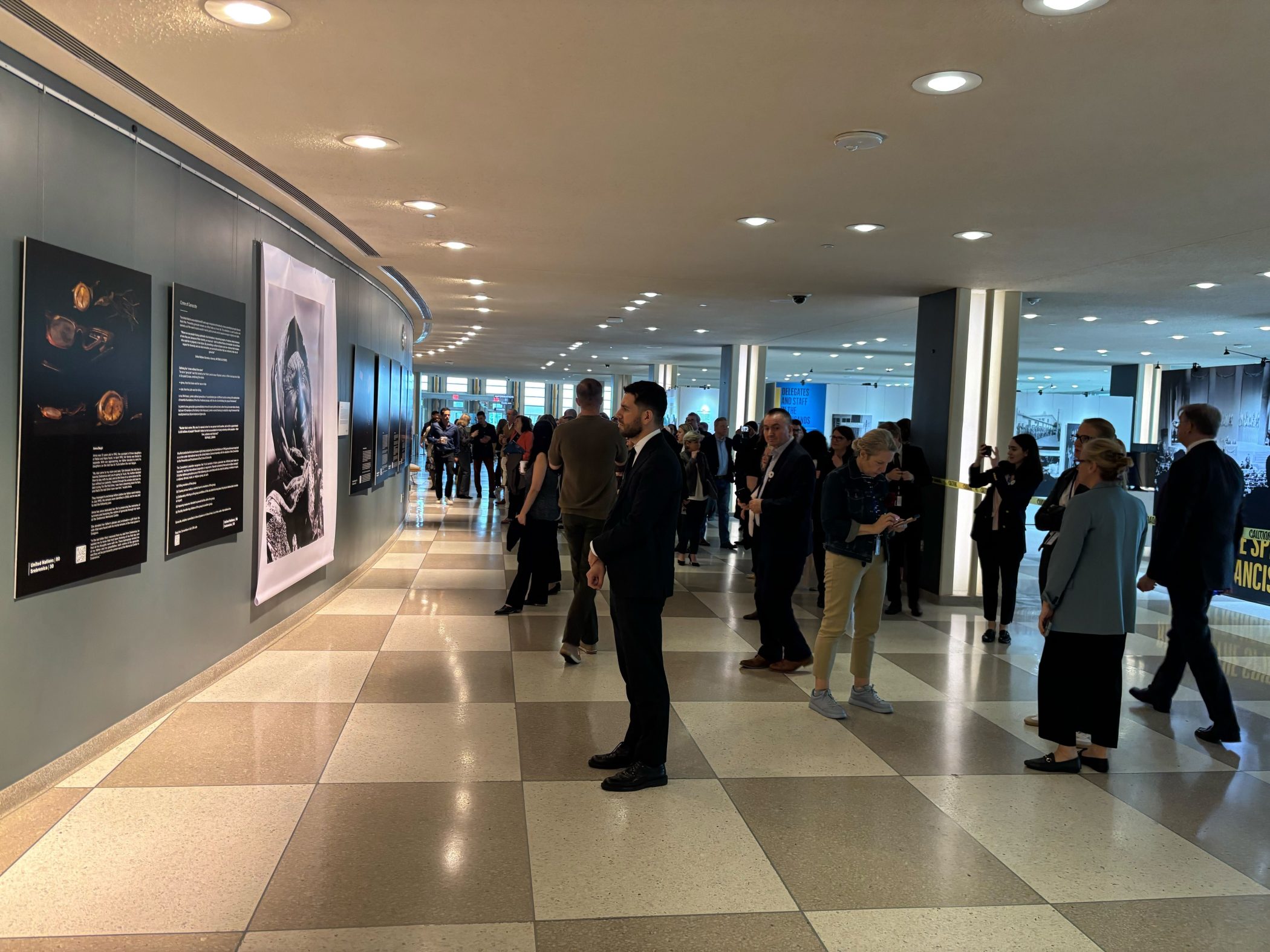
During their stays in Sarajevo, tourists also often pay visits to the gallery dedicated to victims of the Srebrenica genocide.
Stefan Erhardt, a German tourist from Munich, told BIRN that this was his first visit to Sarajevo and that that he was captivated by the wartime history.
“I think the wartime history is the main tourist attraction and I am really interested to see everything. If you want to understand a country, you need to see its past,” Erhardt said.
US tourists Tim Borden and Jessica Stone also said they visited various sites connected to the 1992-95 conflict, including the Vijecnica city hall and national library which reopened in 2014 after being burned out during the siege when it was shelled by Serb forces.
“We saw Vijecnica, the library, and we spent a lot of time in the Srebrenica exhibition. We also saw the Historical Museum,” said Borden.
The number of visitors to Sarajevo has continued to increase in recent years.
The Tourism Association of Sarajevo Canton says that in 2015, the area was visited by 359,523 tourists.
A guided war tour costs about 25 euros per person.