


This post is also available in:
During the two-year project, BIRN BiH developed a Database of Judicially Established Facts on War Crimes in Bosnia and Herzegovina, encompassing judgments issued by domestic and international courts.
After developing the database, BIRN BiH worked with educational experts to train teachers to apply and use it in the classroom.
“We recorded testimonies of victims and produced multimedia content that makes it possible to teach about the war in Bosnia and Herzegovina in an innovative way – through survivors’ testimonies, judicially established facts, and a unique methodology adapted to different regions of Bosnia and Herzegovina,” said Denis Džidić, Editor-in-Chief and Director of BIRN BiH.
Through the project’s activities, more than 150 teachers and education professionals received training, while the methods developed were applied in work with more than 600 students.
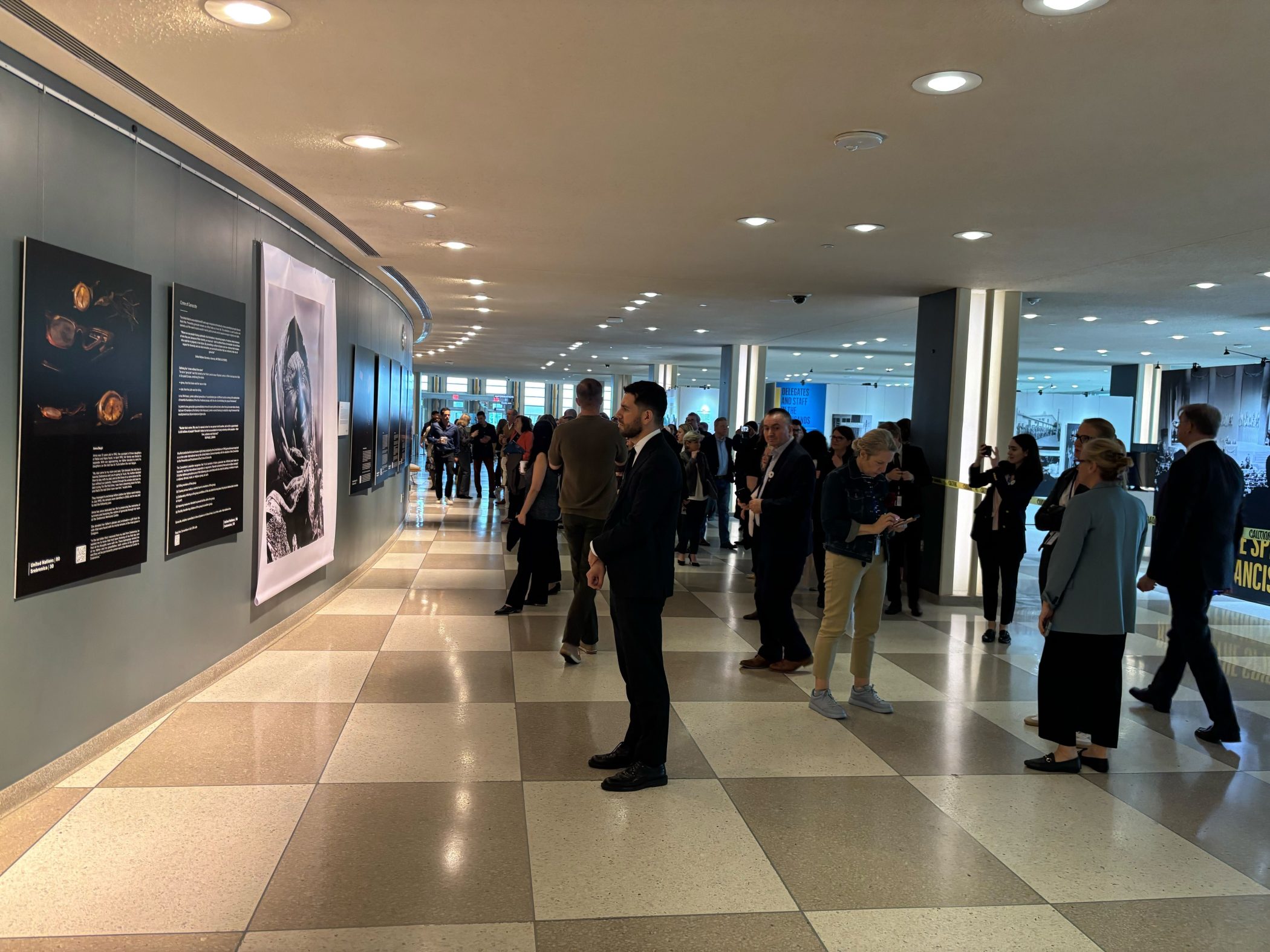
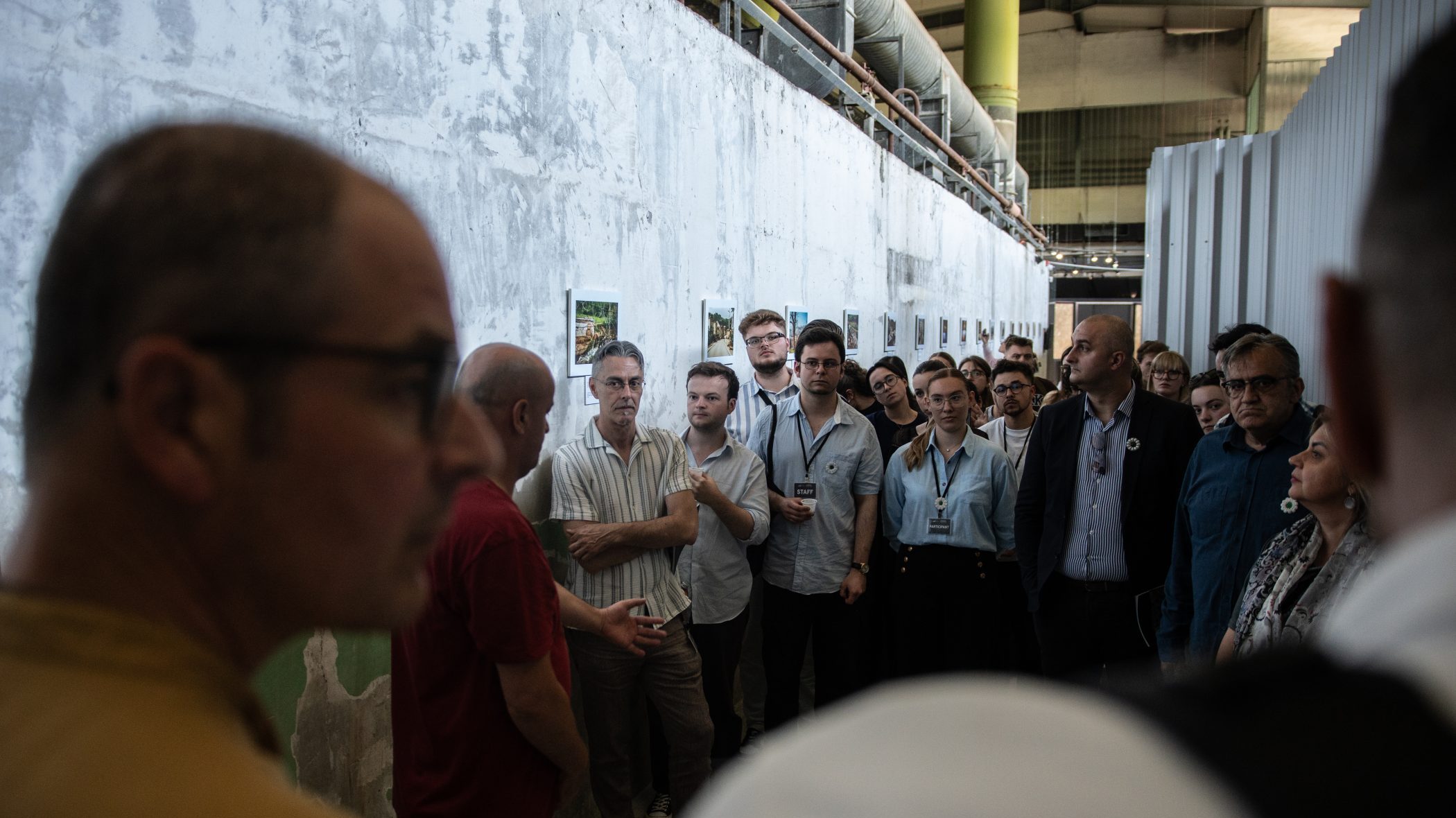
Formal cooperation was established with five education ministries, while 111 young people took part in study visits to Sarajevo, Tuzla and Srebrenica. Through conversations with experts and survivors, as well as visits to sites of suffering, they reflected on their own contribution to peacebuilding.
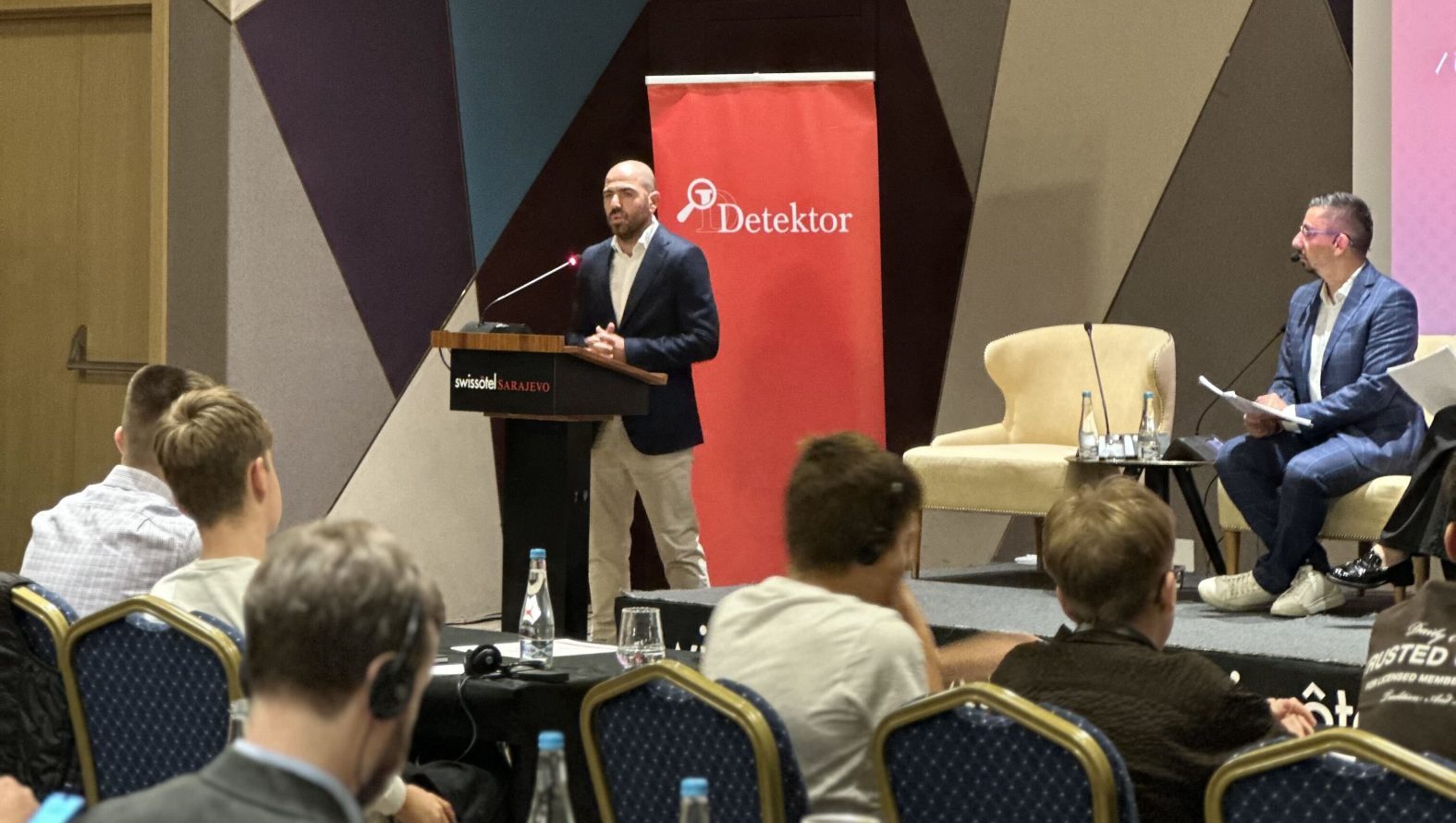
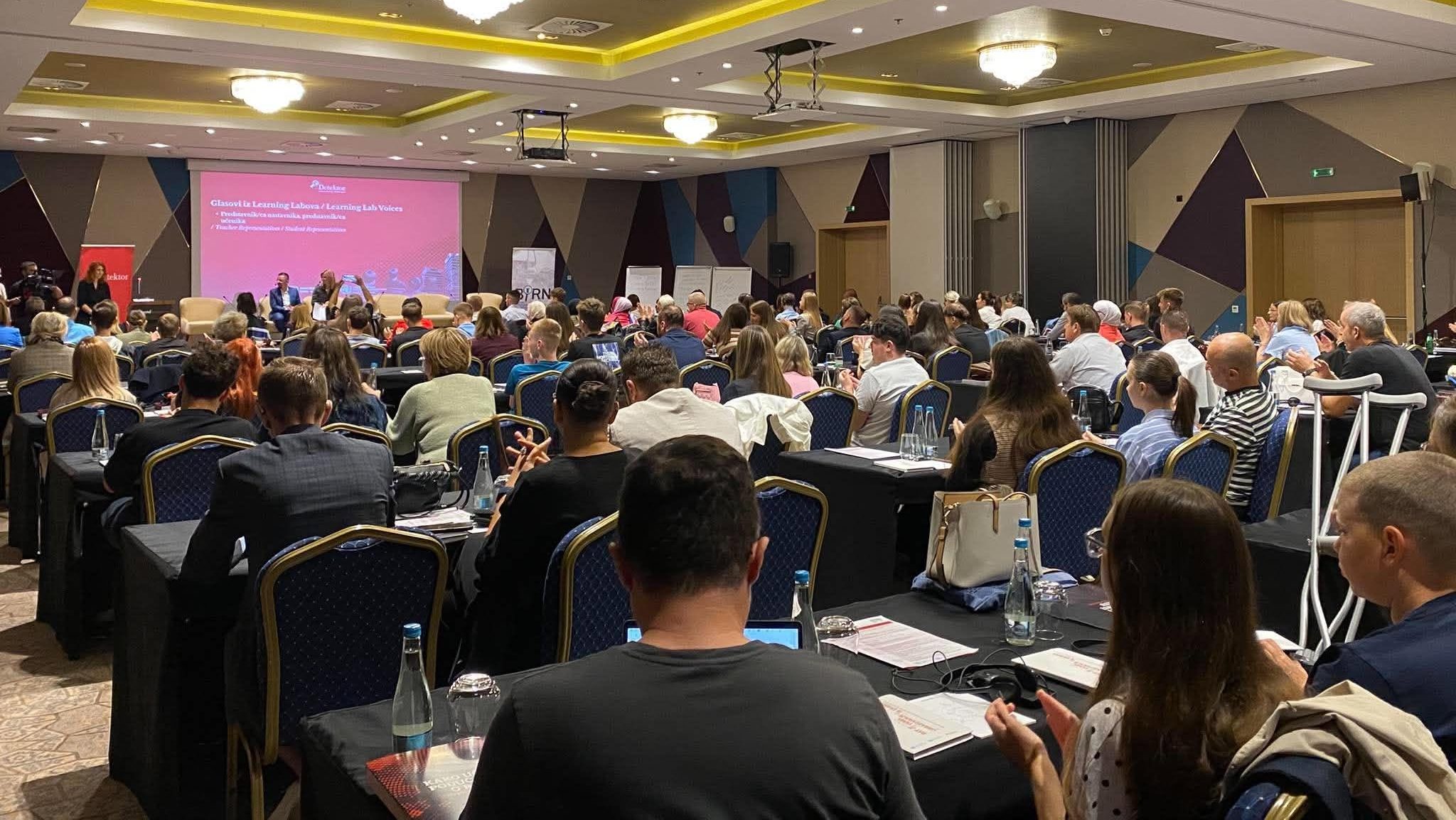
Over the two days of the forum, BIRN BiH brought together around 150 representatives of educational institutions, teachers and experts, as well as survivor-victims and students, to discuss how to bring the wartime past closer to students through judicially established facts, survivors’ testimonies and modern teaching methods.
The forum also addressed the challenges teachers face when teaching about the war, particularly in a divided education system, and the need for young people to develop critical thinking and distinguish facts from propaganda and subjective interpretations.
The project builds on BIRN BiH’s long-standing work documenting war crimes and promoting transitional justice, with a particular focus on how knowledge based on judicially established facts can be made accessible to teachers and young people, and used as a foundation for responsible learning about the wartime past.
The BIRN BiH project was implemented with the support of the United Nations Secretary-General’s Peacebuilding Fund in partnership with the Srebrenica Memorial Center and the association “Forgotten Children of War.”
UN Resident Coordinator Arnhild Spence stressed the importance of the project, saying she had been disturbed by the recent glorification of the Bosnian Serb war criminal Ratko Mladić, who was convicted of genocide and other crimes in Bosnia, as Detektor previously reported, and who died recently.
“Such teaching provides a foundation for healing and reconciliation in society. As we have seen in recent weeks, there have been some events that are in fact the result of inadequate and inaccurate teaching of history – some deeply disturbing things, not only young people taking to the streets and chanting Ratko Mladić’s name,” she said.