




This post is also available in:
Content generated with the help of artificial intelligence is almost impossible to recognise with the naked eye, so misinformation is being spread and distrust in the media is deepening.
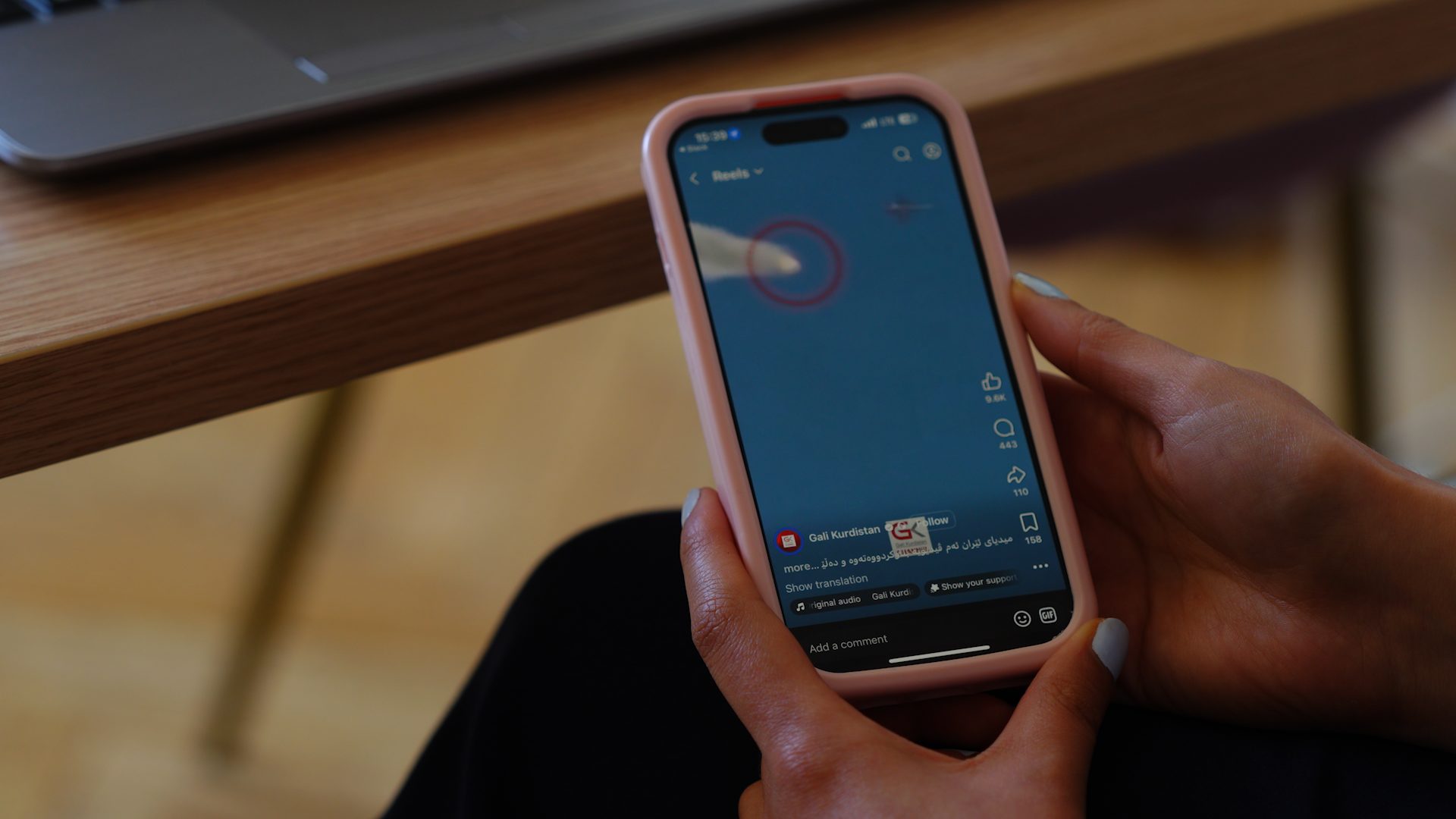
A video clip and screenshot that were shared on social media, claiming to show an Iranian missile attack on Tel Aviv, got more than 39,000 views, meaning that the post was widely seen, says Rasid Krupalija from Raskrinkavanje.
Increasing numbers of ordinary social media users are having trouble recognising AI-generated content, Krupalija notes, explaining that Raskrinkavanje discovered this example with the help of a tool.
“It will never say for sure that this is or isn’t AI, but in this case, it will say that the probability is 99.8 per cent, which is a fairly near-certain probability that something was created with AI,” Krupalija says.
In the meantime, some websites in Bosnia and Herzegovina also shared this AI content, but after Detektor determined which media were involved, their editors said they weren’t willing to talk.
In late February this year, the United States and Israel launched coordinated airstrikes on Iran. Although the attacks were aimed at key Iranian military facilities, civilians were harmed. Iran also launched attacks around the world in places where US and Israeli military bases are located.
According to information from officials, more than 1,000 people have been killed in Iran.
Nedzad Ahatovic, a security expert, explains that the background to these conflicts is economic, and that the US is trying to put energy resources under its control – and to control the price at which energy is sold to its rivals.
Ahatovic claims that nothing has changed in warfare when it comes to attempts to deceive the enemy. He also says that the use of artificial intelligence can result in the media being misused for propaganda purposes.
“When you want to present a different picture from the real one, you use all the means that are available, including artificial intelligence, among other things. Why not? Because even though you will create a short-term information vacuum, it will leave a completely different impression on ordinary viewers or listeners compared to the people who’ll immediately recognise what it is,” Ahatovic explained.
A video showing Israeli Prime Minister Benjamin Netanyahu drinking coffee has raised suspicion that it was AI-generated because the coffee in the cup remained the same after it was drunk. A video of Netanyahu with six fingers has also been shared. Some headlines have even claimed that the Israeli Prime Minister is no longer alive, says Amil Ducic, editor of the Fokus website. He explains that everything now has to be checked twice because AI material is difficult to recognise, and Focus’s journalists are aware of the responsibility they have towards the public.
“We talked to each other a lot and didn’t publish any of that material, in order to be certain, just to avoid making certain mistakes like other media who published it without checking,” says Ducic.
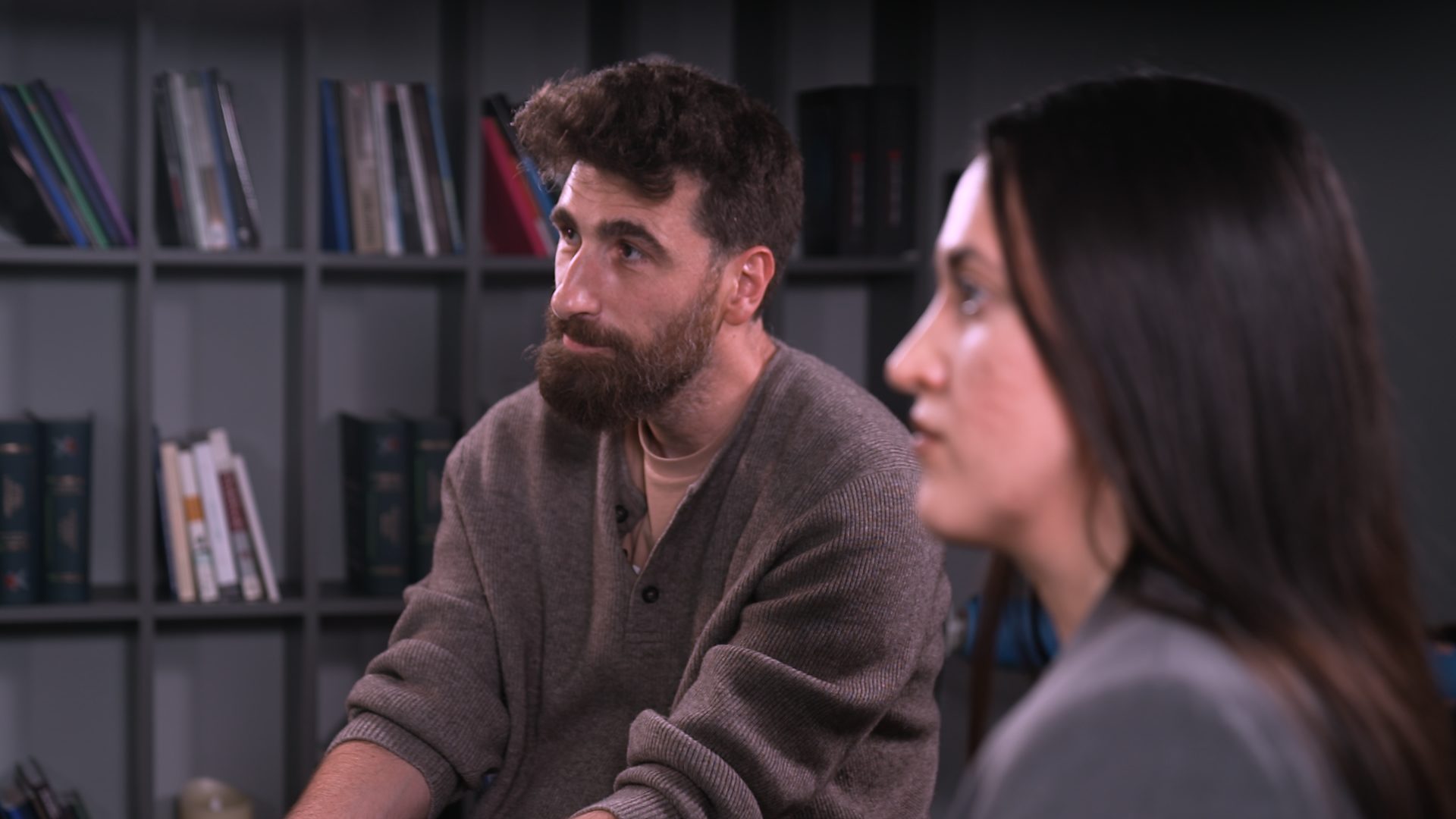
Feđa Kulenović. Foto: Detektor
Fedja Kulenovic, senior assistant professor at the Department of Information Sciences at Sarajevo University’s Faculty of Philosophy advises that videos should be verified before sharing, but cautions that time or the lack of it is the biggest obstacle to proving that something is AI-generated.
He notes that even before the appearance of AI, media would be trying to verify a video for months.
“know of one case at the BBC where it was determined that a video from Syria was forged on the basis of a just single pixel at the end. That’s definitely something that poses a really big problem in the context of forensics, but it’s not impossible,” he said.
The use of artificial intelligence is not legally regulated in Bosnia and Herzegovina. In countries like the United Arab Emirates, sharing false AI content is punishable by law, and as Kulenovic explains, the law came into force because of a large number of scams arising from people exploiting their followers for economic gain.
“That’s why they insisted that influencers and content creators register with that [Emirati] media office, which of course was going to cause something of a reaction in the context of journalists and journalism in general, but they’re really not focused on them – they’re focusing on social media and content creators who’re using those media, and I think the intention was specifically to regulate the space in the context of it being an economic and business space, but there was also a strong emphasis on regulating person-to-person communication,” he explains.
In Kulenovic’s opinion, global-level restrictions guided by ethical principles need to be introduced.
“And most importantly, educational policy has to be adapted so we train the public not so much about how to recognise that content, but how not to create it, and under what conditions to create it, because that is much more important,” Kulenovic argues, noting that AI-generated videos can have various consequences for society.
Al Jazeera Balkans was shut down last year. It used to be a source of information in Bosnia and Herzegovina about events around the world, particularly in the Middle East, says Mladen Obrenovic, editor of Mediacentar Sarajevo.
Obrenovic advises people to read as many sources as possible and urges journalists to be more responsible in conveying information.
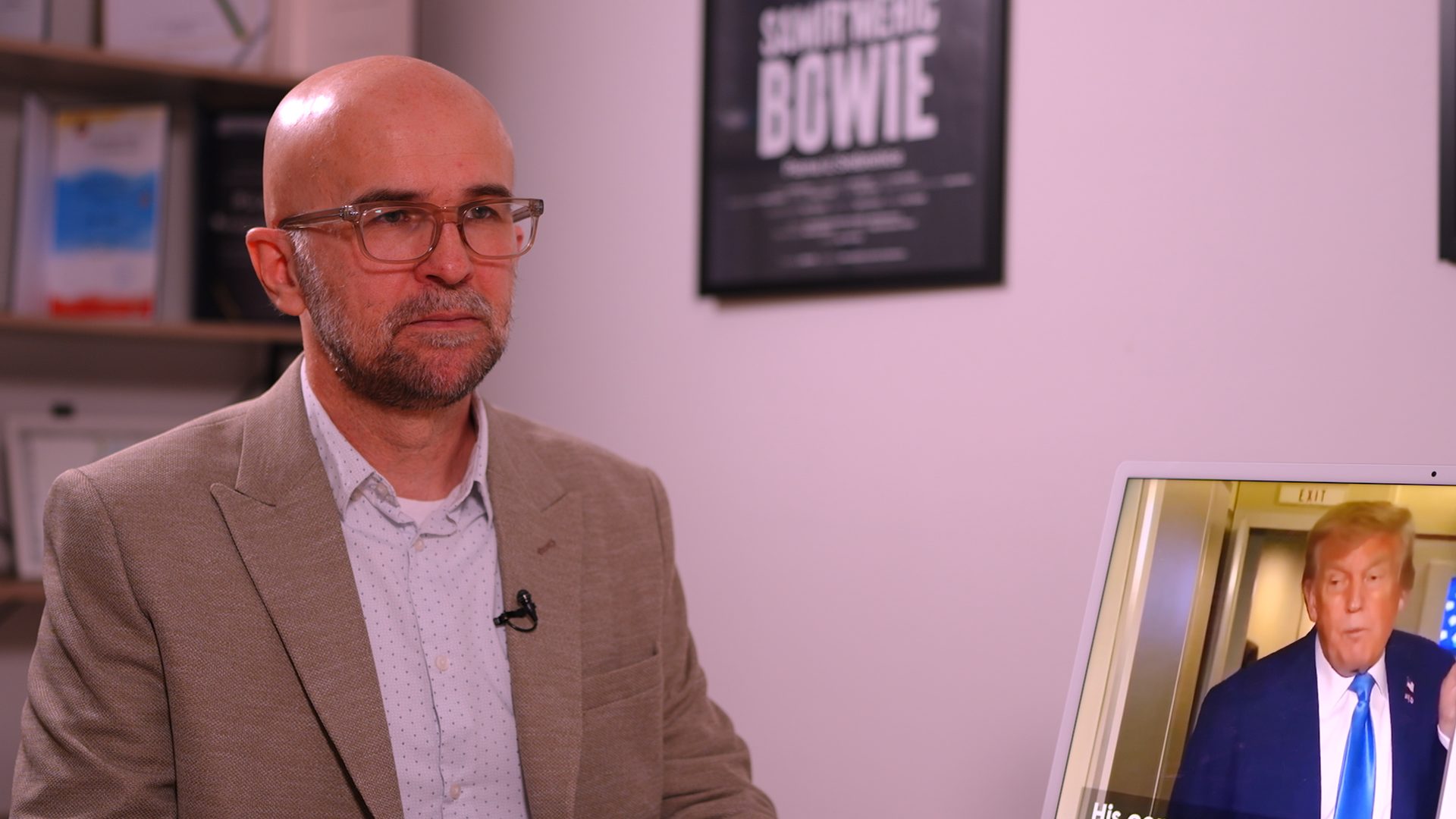
Mladen Obrenović. Foto: Detekor
“Let’s see, what does CNN say? What does Fox say? What do they say? What’s The Guardian writing? What does The New York Times say? What does The Washington Post say? What is our media saying? What is N1 saying? What is Klix saying? What is Index saying in Croatia? What is Oslobodjenje saying? What is Politika saying in Serbia? And then try to find some kind of essence in all of that. Yes, it sounds awful, but believe me, you spend much more time on social media than you would looking for these sources, one by one,” says the Mediacentar editor.
Krupalija from Raskrinkavanje notes that verification tools aren’t keeping up with the fast development of artificial intelligence, and that it’s necessary to check sources, where photos and videos were published, and whether they were published by a credible organisation or media outlet.
“Or is it some anonymous website or anonymous account on Facebook that shared this kind of content? Let’s say that would be a first step, and the second step is to always check whether someone has already addressed this content, the photo or video,” he says.