


This post is also available in:
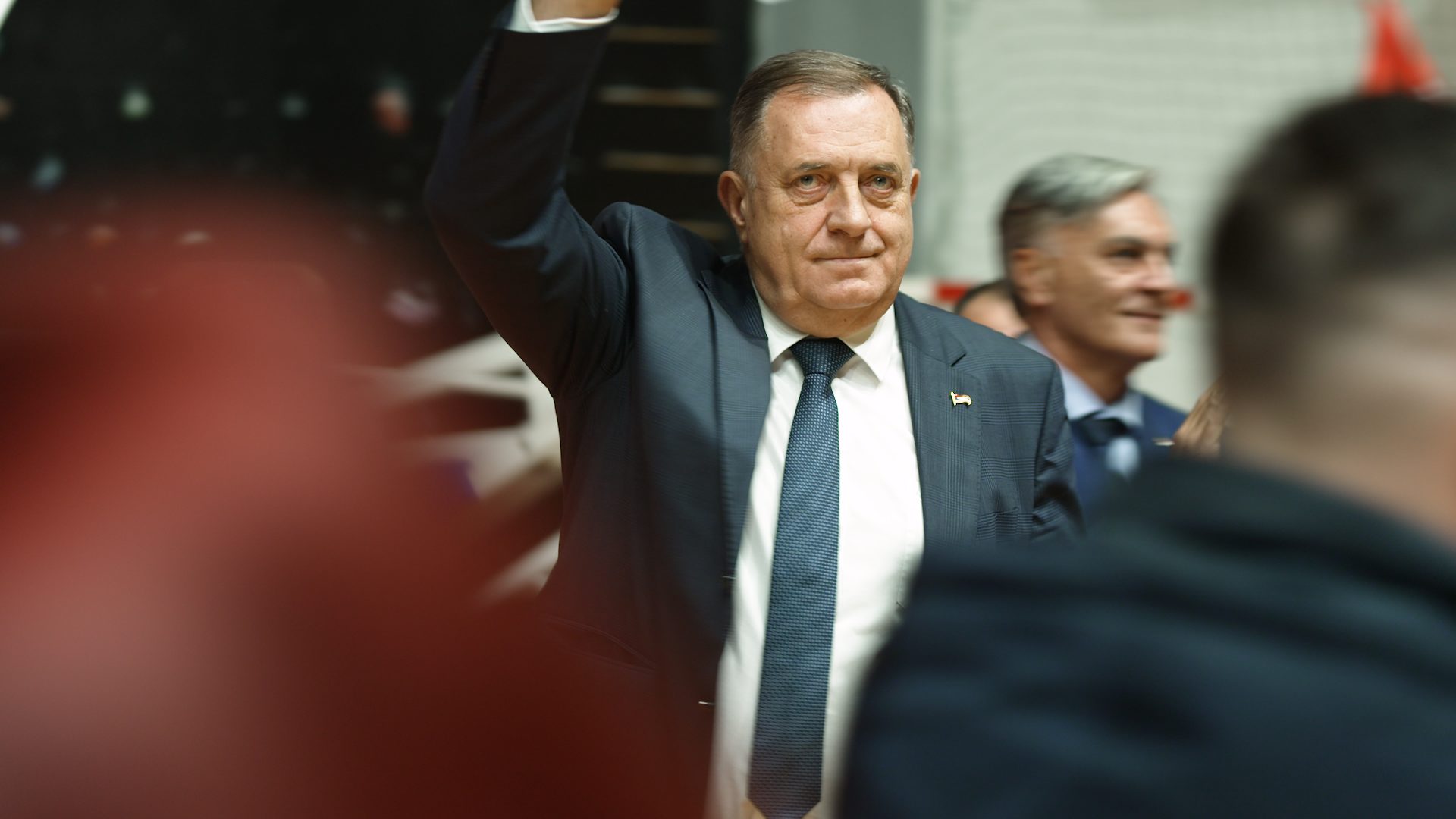
A day after saying in East Sarajevo that Bosniaks are like “amoebas that multiply and spread uncontrollably”, Milorad Dodik was more careful about what he was saying at a gathering in the town of Foca. When approached by a Detektor journalist who was covering the gathering, he explained why he had made such a statement and issued an apology.
“I apologise to anyone who felt hurt,” he said.
But despite this apology, the very next day, at a rally that was held in Vlasenica, Dodik continued to spread hatred against Bosniaks, this time complaining about them buying homes in the town.
“Why do you buy apartments here in Lukavica if you can buy them in Kiseljak and they have the same price? Why don’t you buy there? It’s the Federation. You want to buy [an apartment] here, what’s your intention? This is what is happening in Europe. If this continues, if the people in East Ilidza want that, I’ll respect it. [If] they want that, in ten years, they will have a Bosniak municipality mayor,” he said at the gathering in Vlasenica.
Talking to Detektor, residents of Vlasenica mostly expressed support for Dodik and his agenda. When asked whether they also support Dodik’s statements about Bosniaks, they initially hesitated.
“I think that none of the people I hang around with has anything against it; let them move there, after all their houses and our houses are there, we all used to live there together, I don’t understand how someone can hate someone else,” a Vlasenica resident said during a survey by Detektor.
Dodik was only sanctioned once for spreading hatred during the election campaign. He had to pay the maximum fine. Vanja Bjelica-Protina, a member of the Central Election Commission, explained that no other hate speech incidents had been registered in its reports.
“I do not have the information that you have just mentioned regarding a repeat incident, because we have not received such a report or been informed in some other way about the use of hate speech following the receipt of the penalty decision that was confirmed by the Court of Bosnia and Herzegovina,” she said.
Following Dodik’s statement in East Sarajevo, the Central Election Commission, CIK, received four complaints about hate speech during the election campaign, while the CIK initiated official proceedings following his statement. The sixth complaint against Dodik related to another statement he made, but the CIK suspended the proceedings.
“The maximum fine prescribed by the Election Law in the amount of 30,000 marks [around 15,000 euros] was imposed. The political party was penalised, because Mr. Dodik held the position of the president of that political party at the time he presented the material, and he could only be considered a supporter of that political party, not a candidate in the elections,” Bjelica-Prutina said.
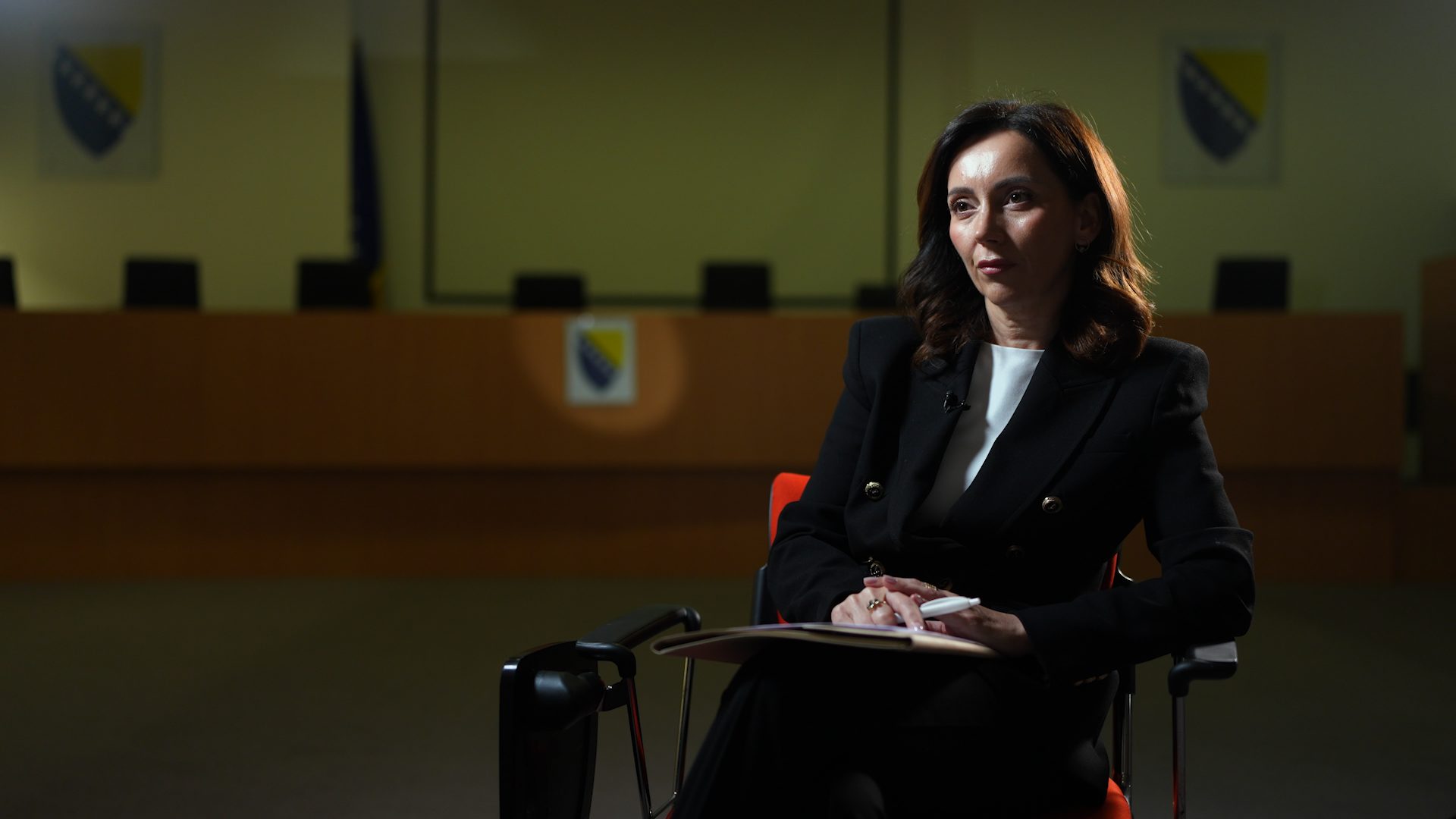
Vanja Bjelica-Prutina. Photo: Detektor
She explained that the only penalty envisaged by the law that is more severe is the annulment of a candidate’s registration in the elections, but the CIK considered that the necessary conditions for its imposition were not met.
“He provoked discrimination and a discriminatory attitude towards adherents of a certain religion or a certain people [ethnic group]. But there were no calls for hostility or violence, which is what we consider as relevant criteria when a sanction preventing a party from taking part in elections is imposed,” she said.
Elections for the presidency of Republika Srpska were announced following the CIK’s decision to end Dodik’s mandate as president after he was sentenced to one year in prison with a six-year ban on holding public office. The CIK did not automatically ban him from holding the position of president of a political party, a role he used during the election campaign.
Detektor monitored the election campaign and to what extent candidates, party leaders and their supporters used hate speech for electoral gain. During the truncated two-week campaign, Detektor mapped at least ten hate speech statements, all coming from one party.
The majority of the statements that were documented, a total of eight, came from Dodik, the current president of the Alliance of Independent Social Democrats, SNSD, the governing party in the entity. Sinisa Karan was the SNSD’s candidate for the Republika Srpska presidency – one of a total of six candidates running in the elections – but Dodik led the SNSD’s campaign alongside him.
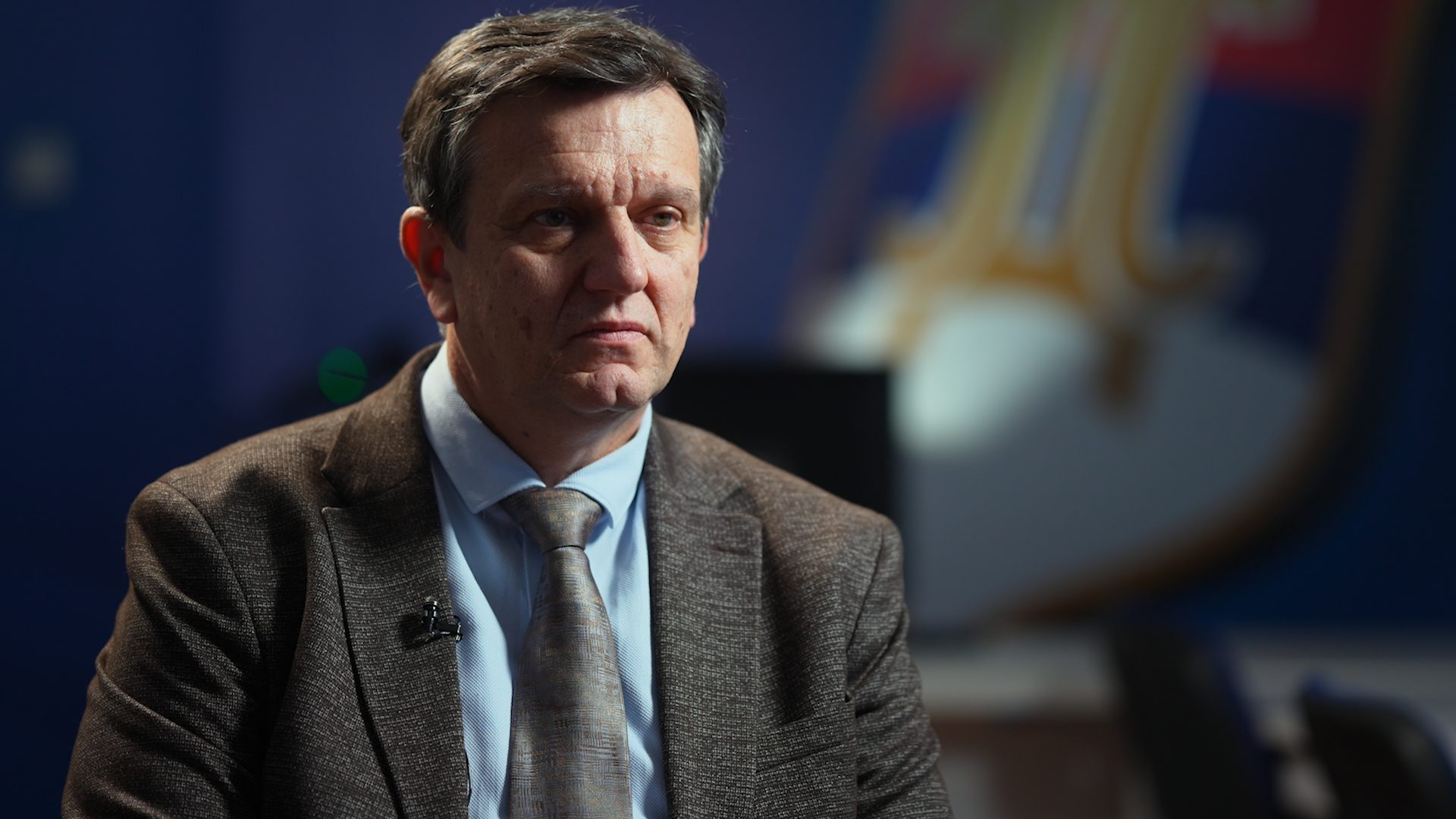
Branko Blanusa. Photo: Detektor
Branko Blanusa, the candidate of the opposition Serb Democratic Party, SDS, spoke to Detektor and said that this was his first run for political office political after many years of working as a professor. Blanusa said he had expected a tough for the presidential vote, but was surprised by the level of hatred, which he condemned.
“What is unacceptable in my opinion, I’m strongly against recognised political figures in this region using something like that,” he said.
Analysing the election campaign, Aleksandar Trifunovic, a journalist and editor of Buka magazine, said it wasn’t about promoting policy programmes but about attracting attention by stirring up tensions.
“These elections actually had nothing to do with the life of people in Republika Srpska in terms of improving it, but at the same time they were presented as cataclysmic. When you present something as cataclysmic, something without which the survival of Republika Srpska is impossible and so on, then the threshold for statements is raised, as is the heatedness of those statements, creating the kind of tension that overwhelms the normal way and normal approach [towards political campaigning]. But that was actually the wrong strategy for the SNSD,” he said.
Also on the political agenda during the election campaign was the issue of migration – which Dodik, along with Nenad Stevandic, used to promise protection and security from migrants in Republika Srpska, who he defined as criminals.
“The British authorities didn’t dare to get involved [to tackle crime by migrants] because they were afraid of an uprising by the Muslims, refugees and migrants who were there. And they tell us to take in 50,000 of them. Yeah, right, you take them to your own home with you, why do we need them? These are our policies,” Dodik said during a rally in Celinac.
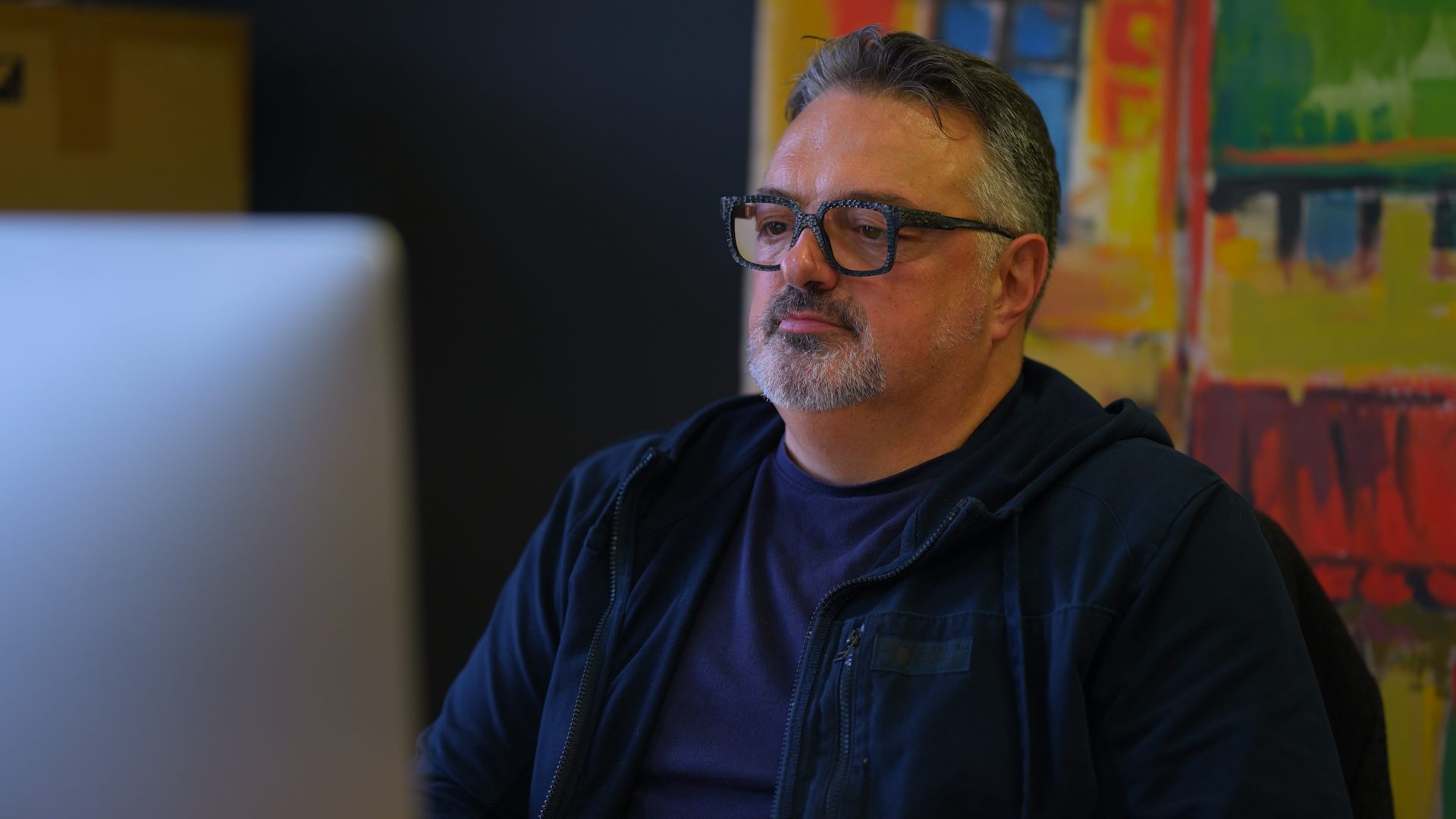
Aleksandar Trifunovic. Photo: Detektor
He and Stevandic stated that there are reports every day from the West full of information about rapes committed by migrants, and that their policies and Karan’s work will protect residents of Republika Srpska from this danger.
“He is actually following a narrative that has proved successful in the US and in Hungary,” said Buka magazine editor Trifunovic.
He sees this as Dodik trying to emulate the successes of politicians outside the region.
“We have a situation where Milorad Dodik is no longer one of a few people with this type of politics, but is actually a follower of successful parliamentary politics from European countries, and even Central American countries, and he may be trying to replicate what’s happening there,” he said.
Under amendments to Bosnia’s Election Law, candidates are not allowed to use hate speech. Nor are supporters of political parties, independent candidate lists, and coalitions. Also barred from using hate speech are independent candidates and their supporters, and election administration employees or people engaged in the election administration process.
The findings of the election monitoring process, as well as individual statements that involved hate speech, have been compiled on the Odgovorno.st platform, where Detektor, together with Transparency International and Why Not, registers data about individual and institutional accountability and the work of officials in Bosnia and Herzegovina.