




This post is also available in:
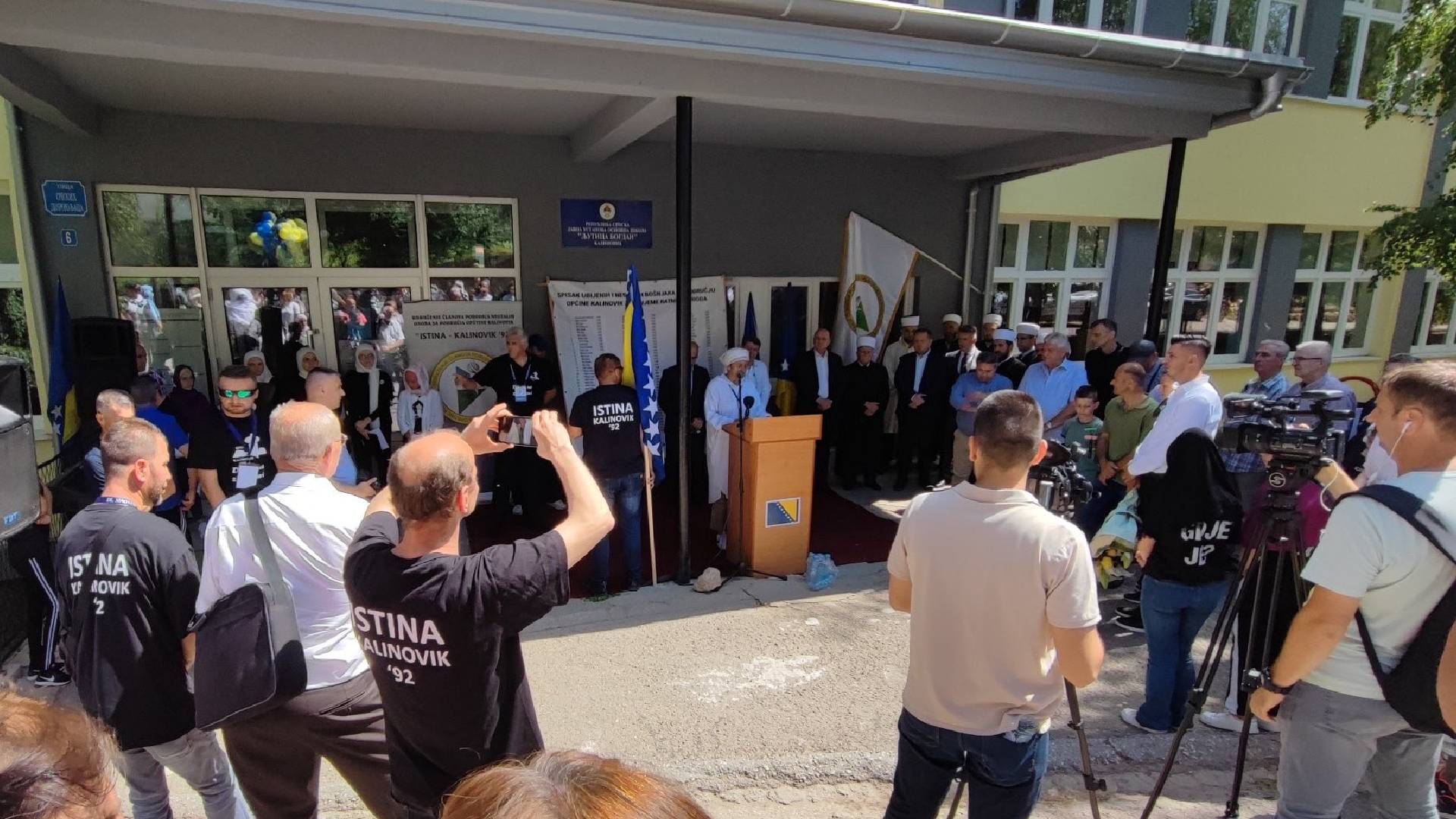
“We haven’t found the right commanders yet,” said Samir Vranovic, head of the Istina-Kalinovik ’92 Association, whose father was among those killed but whose remains have never been found.
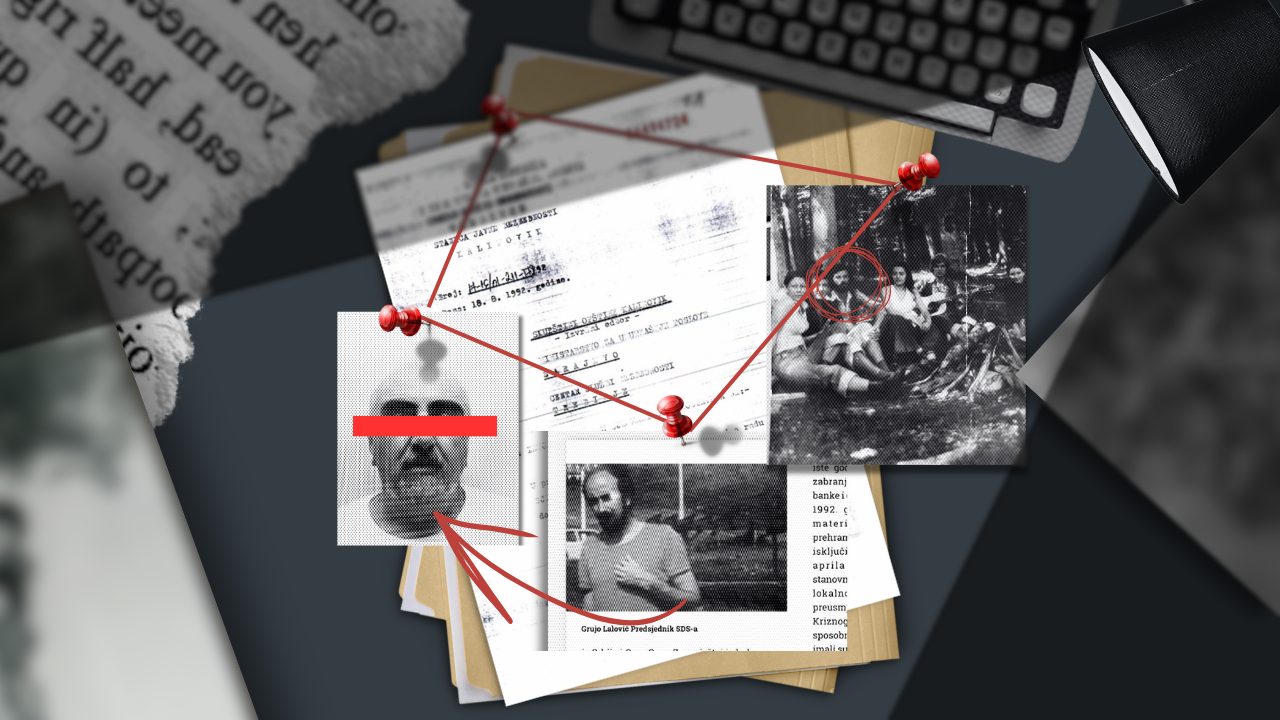
Now, based on an analysis of evidence used at the ICTY and the Court of Bosnia and Herzegovina, as well as eyewitness accounts, BIRN has determined that the Bosnian Serb operation to raze the villages was led by Kalinovik’s wartime police chief, Bosko Govedarica.
Govedarica deployed the police and interrogated Bosniaks in detention facilities under the command of Kalinovik Crisis Staff head Grujo Lalovic, who both currently reside in Serbia.
Bosnian authorities investigated Govedarica and Lalovic but transferred the case against them to Serbia in 2024, the Court of Bosnia and Herzegovina told BIRN. Warrants were issued by the Bosnian state court for their arrest, but to no avail. The Prosecutor’s Office of Bosnia and Herzegovina said its counterparts in Serbia had refused the case and sent it back.
Serbia’s Public Prosecution Office for War Crimes did not respond to a request for comment.
BIRN was unable to reach either Lalovic or Govedarica.
Written order
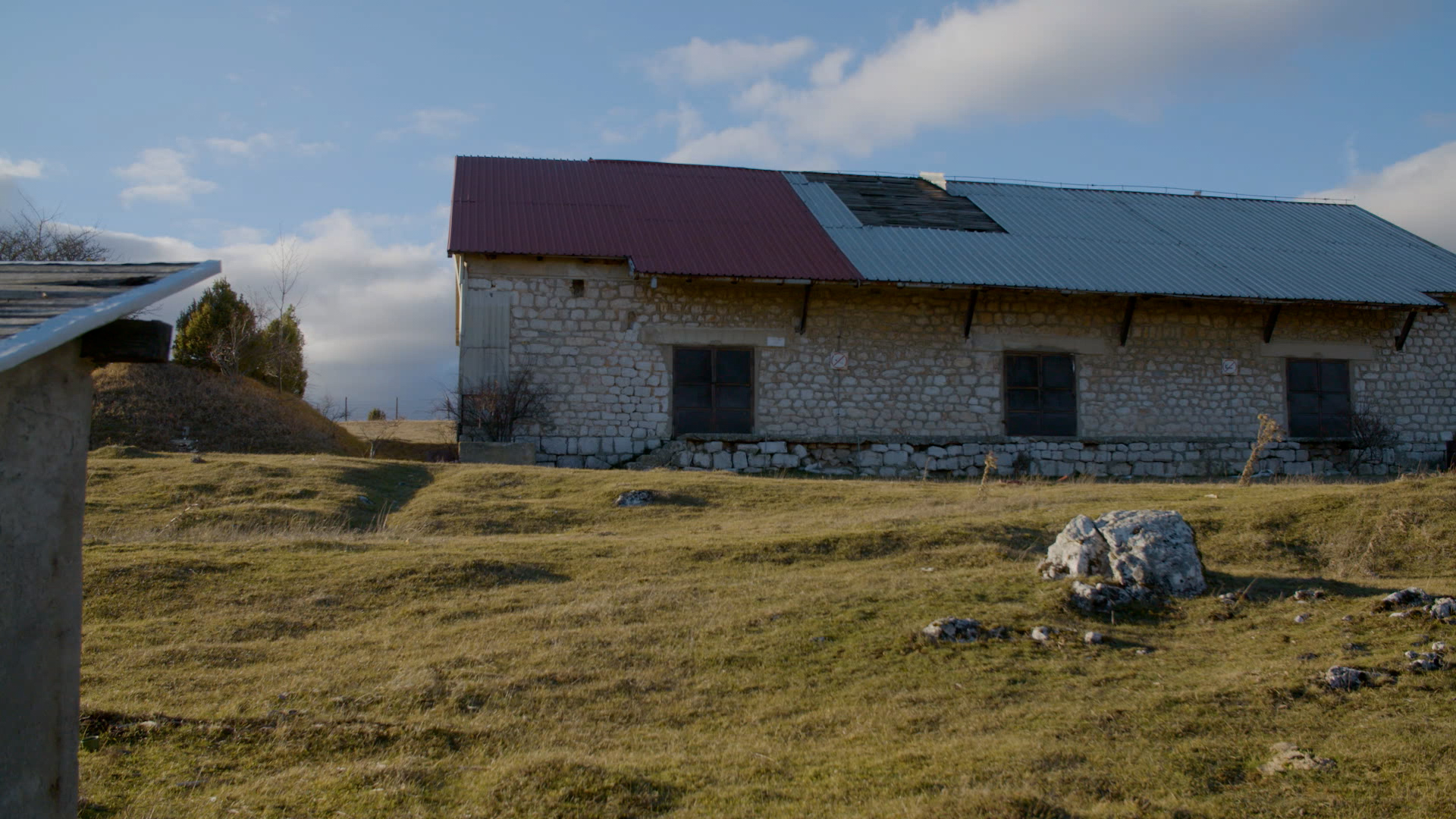
Barutni magacin. Foto: Detektor
Those convicted of war crimes that include the Kalinovik attacks are: Bosnian Serb military leader Ratko Mladic [life-term]; former Republika Srpska president Biljana Plavsic [11 years]; former Republika Srpska parliament speaker Momcilo Krajisnik [27 years]; Bosnian Serb former military commander in Kalinovik Ratko Bundalo [22 years]; former police chief Nedjo Zeljaja [15 years]; former soldier Djordjislav Askraba [seven years]; former police reservist Slavko Lalovic [five years]; former soldier Novica Tripkovic [20 years]; former senior interior ministry official Krsto Savic [17 years]; and, in Serbia, former soldier Dalibor Krstovic [five years].
The verdicts in the Mladic and Krajisnik cases in The Hague describe in detail how Bosniaks were purged from the police force in April 1992, including Kalinovik police chief Ismet Poljak. He was replaced by Govedarica, who took charge of the Kalinovik Public Security Service, SJB, while Grujo Lalovic, who was president of the Municipal Assembly, became head of the municipal Crisis Staff of the Serbian Democratic Party, SDS, the party of Bosnian Serb wartime political leader Radovan Karadzic.
In the trial of Savic before the Court of Bosnia and Herzegovina in 2008, witness Dragan Cerovina, a former police officer who guarded detainees in the Kalinovik primary school, testified that SJB officers under Govedarica took part in an operation with Bosnian Serb military forces to torch the village of Socani, Kalinovik municipality.
Cerovina quoted Govedarica as saying the police had received a written order to do so. A protected witness in the same trial, identified as Witness A, also quoted Govedarica as saying the police had a written order from Bundalo to set fire to the villages of Daganj, Bojici, Hotovlje and Kutine for security reasons.
The court found that the command was issued by Bundalo and carried out by Govedarica.
During the trial in Bosnia of Bundalo, Zeljaja and Askraba, witness Dzemila Redjovic described how her husband, Rasid, was summoned to the Kalinovik municipality building in June 1992 and taken inside.
“Lalovic told me that my Rasid was imprisoned for several reasons, and he pointed to Bundalo and said that he would send him to search my house,” Redjovic told the court. Rasid was taken by truck to another location once used as a gunpowder depot, where Redjovic last saw him alive in late July.
According to BIRN’s database of judicially established facts about the war, approximately 80 women were raped in the elementary school in Kalinovik, which served as a detention centre; rapes also occurred at other locations.
A protected witness in the trial of Bundalo, Zeljaja and Askraba, identified as Witness B, told investigators she was raped several times at the school and was interrogated by Govedarica.
Citing Witness B, the verdict in the case read: “Bosko Govedarica came to her and warned her to be careful what she said, because they could always find her.”
Two former Bosnian Serb police officers, Milan Lalovic and Danilo Djorem, told the trial that they knew women were being raped at the school and that they informed their superiors.
“The witness [Lalovic] points out that he told Govedarica what was happening in the school, but he just told them that they had to go there and perform their duties,” the court said in convicting Bundalo and his co-accused.
‘No dilemma’ who was responsible
According to a report on SJB activities in April-August 1992, signed by Govedarica, in July military commanders in Kalinovik requested support from forces in Foca, and a group of 100 armed soldiers arrived.
The court in the trial of Bundalo and his co-accused found that these soldiers were subordinated to the Kalinovik Tactical Group, the military unit led by Bundalo.
The SJB report signed by Govedarica details abuse meted out by these soldiers on detainees in the Kalinovik school, including the theft of jewellery and money.
In the trial of Krajisnik, the ICTY established that the responsible persons of the SJB Kalinovik knew about these events.
The report signed by Govedarica claims that “Muslim military eligible males from the elementary school in Kalinovik, which this SJB was guarding, were transferred to a military prison” under the command of the Kalinovik Tactical Group.
In 2013, Fejzija Hadzic told the ICTY trial of Mladic how, on August 5, 1992, he survived the execution of a group of Bosniaks who had been held at the Kalinovik school and the old gunpowder depot.
“They told us we were going to a prison in Foca to be exchanged,” he said of their Bosnian Serb military captors.
“They tied the hands of the younger ones with wire. They tied my hands too and hit me on the head. They loaded 24 of us into a truck and drove us to a meadow. They lined us up in a column and shot us from the side with automatic rifles. A bullet hit me in my left leg, I fell, like the others, and pretended to be dead.”
According to Hadzic, the soldiers took their victims to a nearby barn, which they set on fire.
“I managed to jump into the lower part of the barn and escape,” he said.
Among the victims was Memna Jasarevic’s husband, Hilmo, who had taught art at the school.
In an interview with Detektor, Jasarevic said Bosniaks were summoned for compulsory labour under an order signed by Grujo Lalovic in May 1992. They were rounded up and eventually killed.
“He [Hilmo] was taken and imprisoned first in the school, then in the detention camp in the Gunpowder Depot,” said Jasarevic.
“People were summoned to respond to work, and they responded, and they detained them,” she said. “So there can be no dilemma as to who was responsible for these people.”
Hilmo’s remains were identified in 2004.
In the trial of Bundalo and his co-accused, the trial chamber found it can be clearly seen in entry and exit records made at the old gunpowder depot that many detainees were regularly removed to carry out work on the approval of Govedarica.
Vranovic, who is still searching for his father, said he remains bitter that only a handful of people have been convicted for the murder of more than 100 in Kalinovik.
“As time passes, we have major obstacles,” he said. “We are not satisfied with the Prosecution of Bosnia and Herzegovina; we are not satisfied with the Prosecution in Serbia either.”