


This post is also available in:
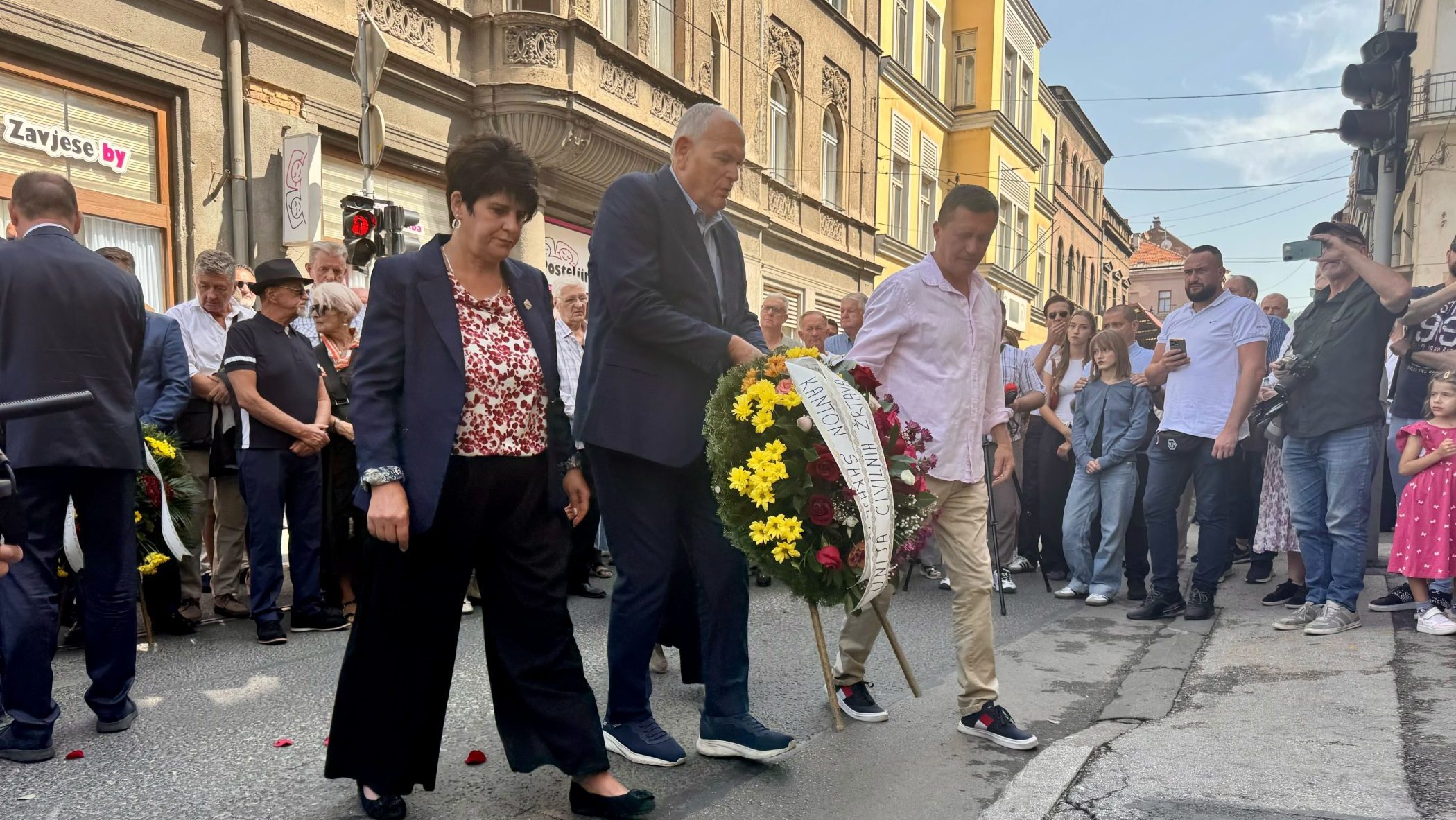
Families of the victims, officials and members of the public laid flowers and read out the names of the dead on Thursday at the site of the Markale market massacre, where 43 Bosnians were killed by a shell attack from Bosnian Serb Army positions on August 28, 1995.
A commemorative event was also held at the City Hall, organised by the City of Sarajevo, Sarajevo Canton and the Institute for Research of Crimes against Humanity and International Law of the University of Sarajevo.
“Markale and other locations are synonymous with systematic criminality,” said Sarajevo mayor Samir Avdic, adding that wartime crimes must not be forgotten and remain unpunished.
The prime minister of Sarajevo Canton, Nihad Uk said that at the time the massacre happened, he was six years old and did not know what politics was, but that he knew that people were being killed while standing in line for bread. He said that the same things are happening today in Gaza and Ukraine.
“Our memory of Markale obliges us to raise our voices against all aggression and injustice,” said Uk.
Another shell also hit the Markale market in February 1994, killing 68 people.
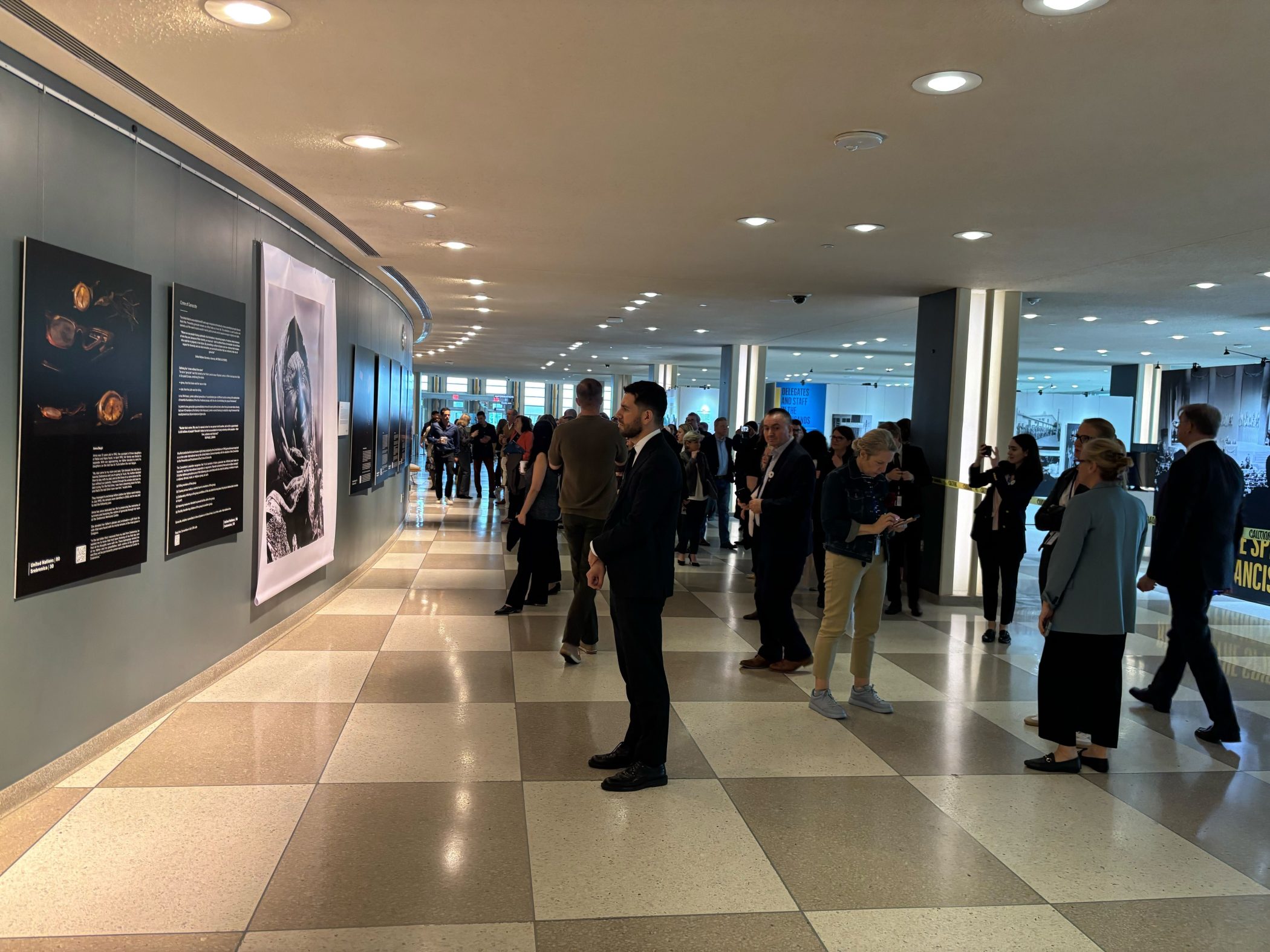
An exhibition about the 1,452 days of the siege of Sarajevo organised by the Institute for Research of Crimes against Humanity and International Law also went on display at the City Hall, focusing on the two massacres at Markale.
The International Criminal Tribunal for the Former Yugoslavia in The Hague sentenced Stanislav Galic, commander of the Sarajevo-Romanija Corps of the Bosnian Serb Army, to life in prison and another commander, Dragomir Milosevic, to 29 years for crimes committed in Sarajevo, including the shelling of Markale.
The verdict in the Galic case stated that the massacre “represents an example of a shelling incident where civilians were deliberately targeted”.
The Hague Tribunal sentenced former Bosnian Serb political leader Radovan Karadzic to life imprisonment for terrorising the population of Sarajevo during the siege. Former Bosnian Serb military chief Ratko Mladic was also sentenced to life for the same crimes.
However, despite strong evidence that emerged in their superiors’ trials, officers who led brigades of the Bosnian Serb Army’s Sarajevo-Romanija Corps as it targeted Sarajevo with shells and sniper fire have never been indicted.