

This post is also available in:
During a public debate held in Prijedor about the rights of victims to know the names of war crimes perpetrators, victims pointed out that the names of perpetrators of war crimes would be hidden from future generations.
They will not hide from us, the victims, but they will hide from future generations. Is anonymisation of victims going to be the next step?… It seems to us that something much worse than personal data protection lies behind the anonymisation. Courts are not sending a good message by doing this, said Mirsad Duratovic.
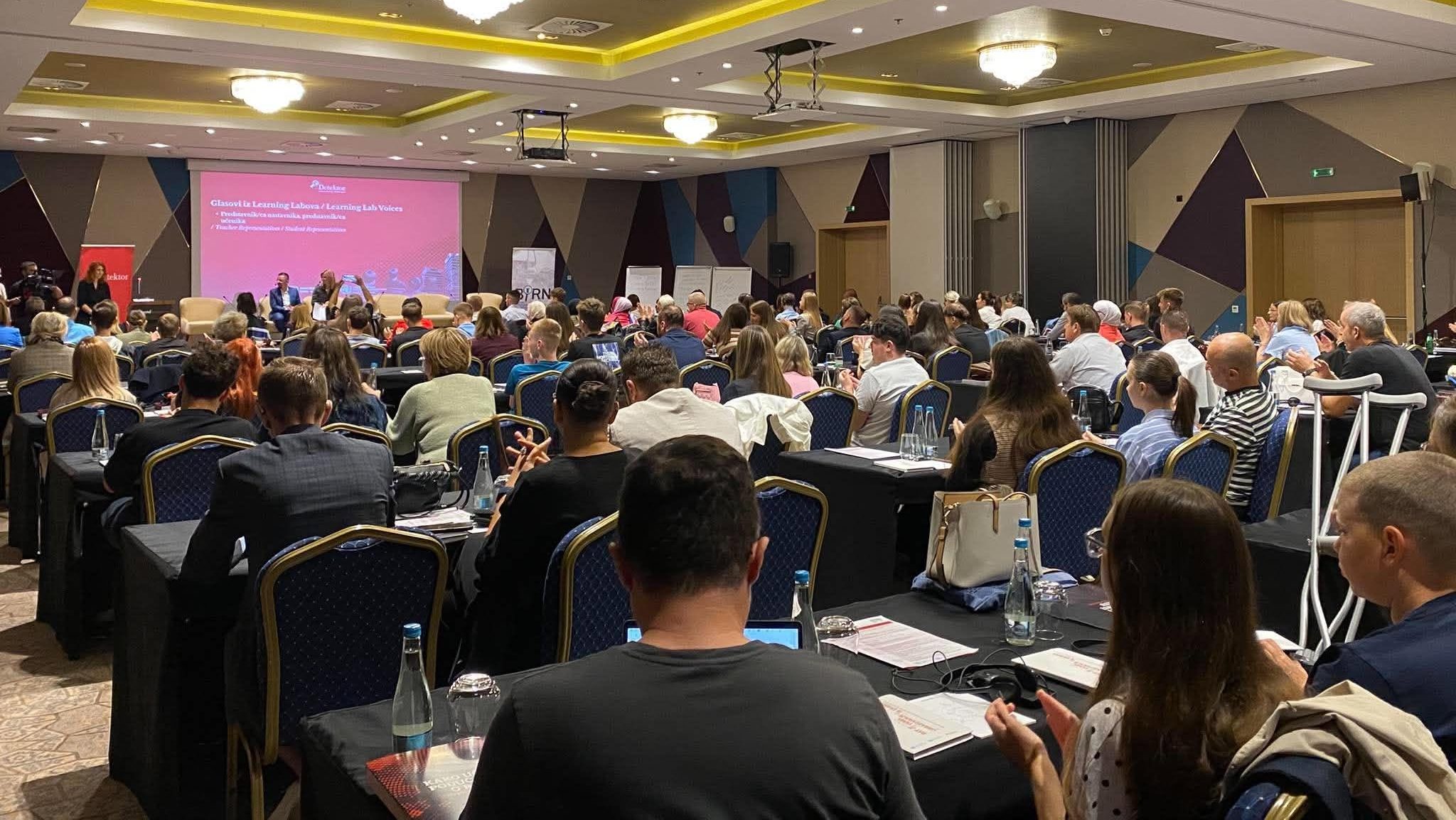
The public debate was organised by the International Commission for the Missing Persons, ICMP, and the Balkan Investigative Reporting Network, BIRN, to inform war crimes victims about practices applied by certain judicial bodies in Bosnia and Herzegovina regarding not to include the identity of indictees or persons who have been sentenced for war crimes under second instance verdicts, in court documents.
Other courts and prosecutors offices in Bosnia and Herzegovina have also begun implementing such practices, depriving the public of information about committed war crimes and responsibility of individuals.
As a result, on June 26 BIRN launched a campaign titled STOP Censoring War Crimes with the aim of stopping the further withholding of information from trials.
Families of victims and the missing persons from the Prijedor area supported the campaign and signed a petition against depriving people of information.
When it comes to protection of personal data in court documents, we cannot just let it be. We must not allow the hiding of names. We can stop this ourselves, said Seida Karabasic.
Participants in the debate said that they did not support the State Courts practice not to issue recordings of entire hearings, because they received such information mainly through the media.
Although they need information, many people cannot attend trials for technical or financial reasons, as well as emotional ones, Duratovic explained.