

This post is also available in:
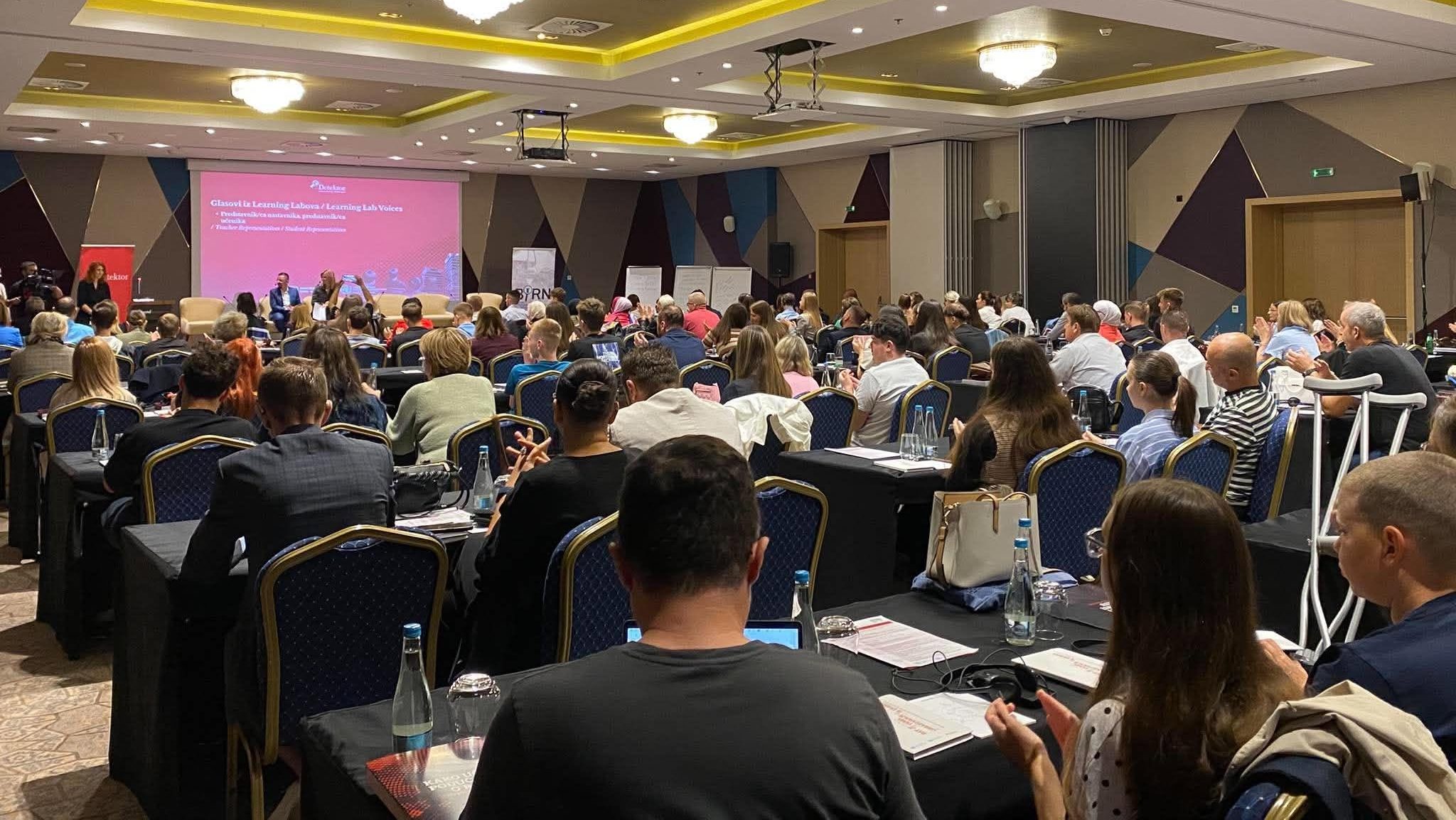
The survey findings were presented in Sarajevo on Monday at a conference on the legacy of the UN war crimes tribunal organised by the Centre for Human Rights from Belgrade, which carried out the poll.
Zarko Markovic of the Centre for Human Rights said the survey indicates that most citizens consider that the establishment of the International Criminal Tribunal for the former Yugoslavia, ICTY, was “a correct move”, but the trials have not contributed to reconciliation and justice.
“Most of the survey participants consider that the trials held before the Tribunal do not contribute to reconciliation in Bosnia and Herzegovina and the region.
“A large number of survey participants think that justice has not been fulfilled and victims do not see the Tribunal as a fair court, because it either does not try perpetrators at all or it tries them at a very slow pace, while also pronouncing benign sentences against them,” Markovic said.
According to the survey, most of the participants have a negative opinion of the Tribunal, because they think it is slow, works in an unsatisfactory way, or is unfair, among other complaints. However, most respondents said that local judicial institutions were “mostly or totally incapable” of processing war crimes perpetrators.
The survey, the latest in a series of polls carried out by the centre since 2003, was conducted in December 2010. It queried 1,045 people from all over Bosnia and Herzegovina.
More than a half of respondents consider that state officials do not make any contribution to the reconciliation process. It was stressed that this opinion is particularly evident in Republika Srpska, where voters have less confidence in political actors, the poll found.
93 per cent of survey participants were not able to mention at least one trial held before local judicial institutions.
Most respondents have heard about genocide committed in Srebrenica and the siege of Sarajevo, but only limited numbers know about the crimes committed in Celebici, Grabovica, Uzdol or Prijedor.
“About 20 percent of survey participants from Republika Srpska, RS, believe in the information that genocide was committed in Srebrenica and Sarajevo was kept under siege, which resulted in a number of killed and wounded civilians. (…) A few survey participants in RS consider that the events that took place in Celebici detention camp should be processed, although Serbs were the victims of those events,” Markovic said.
A.M.A.